
Comparison Guide · PRP · Exosome Therapy
PRP vs Exosome Therapy: Which Is Right for You?
PRP (Platelet-Rich Plasma) uses concentrated growth factors from your own blood to stimulate healing and collagen production — a proven, autologous approach with over two decades of clinical evidence. Exosome therapy uses stem cell-derived nano-vesicles that deliver a broader range of regenerative signals — peptides, proteins, and genetic material — to direct cellular renewal without relying on wound-healing alone.
In simple terms: PRP = your own growth factors from blood (proven, natural, requires blood draw). Exosomes = lab-derived cellular signals (broader molecular range, newer, no blood draw). PRP has stronger evidence; exosomes carry wider regenerative instructions. Both can be combined with microneedling for enhanced results.
Both are regenerative aesthetic treatments. This guide explains the science, differences, and when Dr Azra Vaziri recommends each one. For the full three-way comparison, see Stem Cell Facial vs PRP vs Exosomes. Related: Dermapen vs Exosome Therapy · Skin Boosters vs PRP.
Side-by-Side Comparison
How Each Treatment Works
PRP (Platelet-Rich Plasma)
PRP therapy begins with a small blood draw. The blood is processed in a centrifuge to separate and concentrate the platelets, which are rich in growth factors including PDGF, TGF-beta, VEGF, and EGF. This concentrated plasma is then reinjected into the skin or applied after microneedling (the “Vampire Facial”).
These growth factors stimulate fibroblast activity, collagen production, and angiogenesis — supporting cellular renewal and tissue repair. Because PRP is derived entirely from your own blood, it is autologous — meaning the risk of allergic reaction is very low. PRP has been used in aesthetic medicine for over two decades with extensive clinical evidence. For hydration comparisons, see Skin Boosters vs PRP.
Protocol: 3–4 sessions spaced 4–6 weeks apart. Results develop gradually over 4–6 weeks as collagen matures. Maintenance every 6–12 months. See PRP pricing →
Exosome Therapy
Exosome therapy uses extracellular vesicles — nano-sized signalling particles (30–150nm) typically derived from stem cells — to deliver biological instructions to skin cells. These exosomes carry a concentrated cargo of growth factors, cytokines, messenger RNA, and signalling proteins that may direct cellular repair, reduce inflammation, and support regeneration.
Unlike PRP, exosome therapy does not require a blood draw. Exosomes are applied topically after microneedling or RF microneedling for enhanced absorption, or delivered through other non-surgical methods. They are standardised and manufactured to consistent specifications — the growth factor profile does not depend on your individual health. For microneedling comparisons, see Dermapen vs Exosome Therapy.
Protocol: 2–3 sessions; often combined with microneedling. Early signs within 1–3 weeks; progressive over time. As a newer modality, clinical evidence continues to develop. Brands include ASCE+ and Benev. See exosome pricing →
When to Choose Each Treatment
- You prefer using your own body’s growth factors (autologous)
- You want a treatment with decades of clinical evidence
- Primary concern is scarring, fine lines, or hair thinning
- You are comfortable with a blood draw
- You want to combine with microneedling (Vampire Facial)
- Budget is a consideration
- You want broader cellular signalling beyond growth factors
- You prefer no blood draw
- Your skin shows dullness or early aging
- You want to accelerate recovery from another procedure
- You want standardised, consistent product quality
- You want minimal downtime
Can PRP and Exosome Therapy Be Combined?
Yes. PRP and exosome therapy can be used together as part of a layered rejuvenation protocol. PRP delivers your own autologous growth factors that support collagen production and tissue repair. Exosomes contribute concentrated stem cell-derived signalling that may enhance and accelerate the renewal process. Together, they can target different aspects of skin aging simultaneously.
Either treatment can also be combined with Dermapen microneedling — applied through micro-channels for enhanced penetration into the dermis (see: Dermapen vs Exosome Therapy). Other complementary treatments include skin boosters for dermal hydration (see: Skin Boosters vs PRP), biostimulators for structural renewal, and Profhilo or polynucleotides for bioremodelling and barrier repair.
Dr Azra Vaziri designs combination protocols based on your skin assessment. For the full three-way comparison: Stem Cell Facial vs PRP vs Exosomes.
What to Expect From Treatment
Before Your Appointment
Your clinician will carry out a skin assessment to evaluate tone, texture, hydration, and signs of aging. For PRP, a small blood draw is required at the start of your appointment. You may be advised to avoid blood-thinning medications and alcohol for a few days beforehand. Exosome therapy generally requires less specific preparation.
During Treatment
Both treatments typically take 30 to 60 minutes. A topical anaesthetic is applied before injection-based procedures. PRP is delivered via fine injections or in combination with microneedling. Exosomes may be applied topically over micro-channels or through other delivery methods.
Aftercare and Recovery
Downtime is minimal for both procedures. You may experience mild redness or sensitivity for 24–48 hours. Sun protection and gentle, hydrating skincare are recommended in the days following treatment.
Who These Treatments Are For — And Who Should Wait
PRP and exosome therapy — individually or combined — may be suitable if you experience dull, tired-looking skin, uneven skin tone, fine lines, early signs of aging, or skin that has been affected by prolonged UV and environmental exposure. They are especially relevant in the UAE, where climate and lifestyle factors accelerate visible aging.
You may need to wait if you have:
Active skin infection or inflammation — treatment should be postponed until the affected area has healed.
Pregnancy or breastfeeding — both are generally not recommended as a precaution.
Blood disorders or platelet conditions — for PRP specifically, conditions affecting platelet function or blood clotting may be a contraindication.
Active cancer treatment — patients undergoing chemotherapy or immunosuppressive therapy should discuss eligibility with their treating physician.
Autoimmune conditions — suitability is assessed individually and medical clearance may be required.
Suitability is always confirmed during a medical consultation, where your medical history and skin condition are reviewed before treatment is recommended.
Written & Clinically Reviewed By
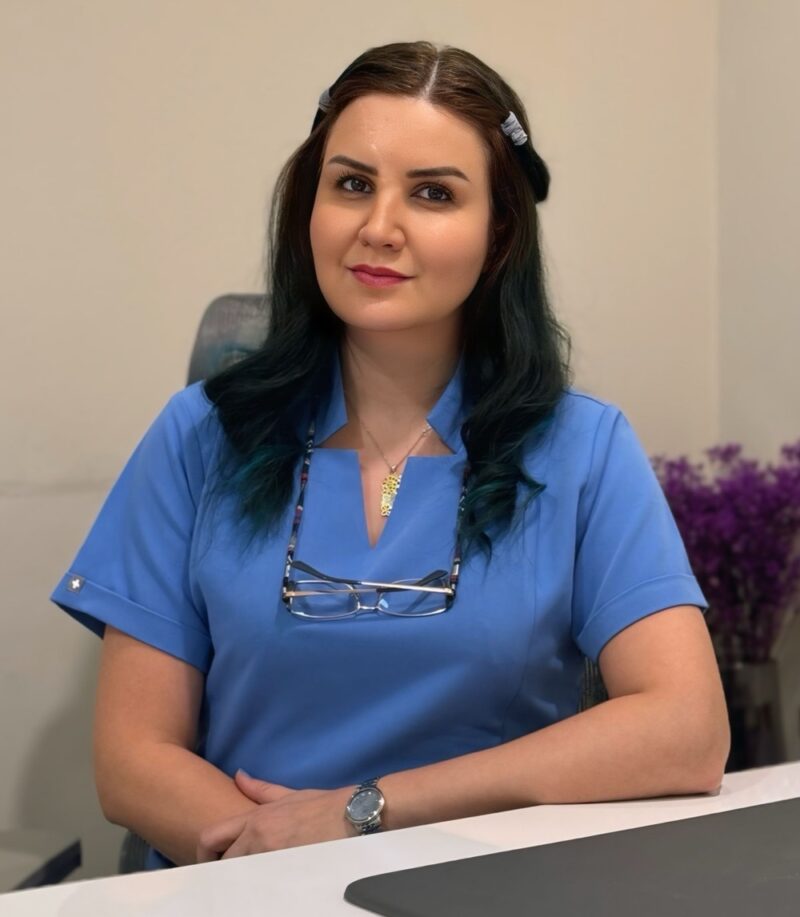
Dr Azra Vaziri is a medical aesthetics practitioner based in Dubai and Abu Dhabi, specialising in regenerative skin treatments and personalised rejuvenation protocols.
Related Treatments & Comparisons
Frequently Asked Questions
Book A Consultation With Dr Azra
Patients seeking personalized aesthetic assessment in Dubai or Abu Dhabi can contact Dr Azra for consultation regarding PRP, exosome therapy, and regenerative skin treatment planning.
Dr Azra Vaziri is a DHA and DOH licensed aesthetic physician practicing in Dubai and Abu Dhabi, with over 20 years of experience in aesthetic medicine, injectables, thread lifting, and non-surgical facial rejuvenation.