
Best Treatments for Dull Skin and Tired-Looking Skin
If you are looking for the best treatments for dull skin, the answer depends on what is causing your skin to look tired in the first place. Dullness is not a single condition — it is a visible result of deeper changes in hydration, cell turnover, collagen levels, and cumulative environmental exposure. Addressing the right cause with the right treatment is what separates temporary brightness from lasting skin quality improvement.
For patients in Dubai and Abu Dhabi, tired-looking skin is a particularly common concern. The combination of intense UV, low humidity indoors, and high temperatures outdoors places continuous stress on the skin’s ability to maintain hydration and renew itself. While daily skincare plays an important role, clinical treatments can target the structural causes of dullness that topical products cannot reach.
This guide walks you through the most effective clinical approaches for restoring radiance, how they work, and how to choose the right regenerative aesthetic treatment based on your skin’s specific needs. If you are ready to explore a personalised treatment plan, visit our dedicated dull skin treatment page for clinic-specific details.
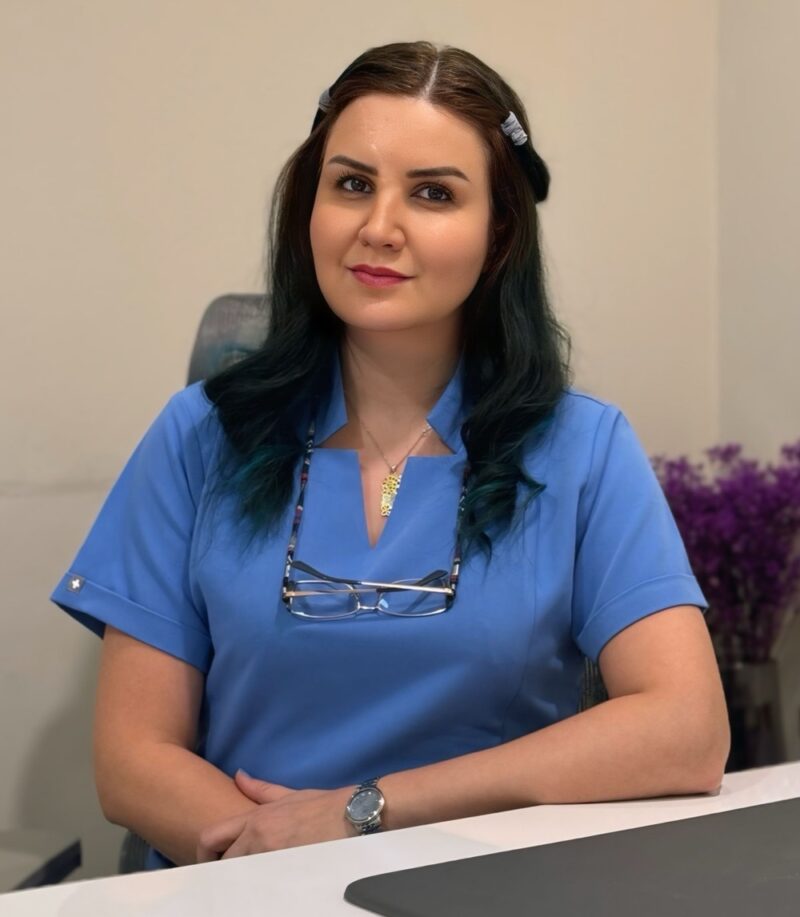
Written & Clinically Reviewed By
Dr. Azra Vaziri is a medical aesthetics practitioner based in Dubai and Abu Dhabi, specialising in regenerative skin treatments and skin quality restoration. She designs personalised treatment protocols for dull, tired-looking skin based on clinical assessment and individual patient goals.
What Causes Dull and Tired-Looking Skin
Understanding the root cause of dullness is the first step toward choosing the right treatment. For a deeper look at the factors behind lacklustre skin, read our guide on why skin becomes dull. In most cases, tired-looking skin results from one or more of the following:
Dehydration — When the skin lacks water at a dermal level, its surface becomes less reflective, producing a flat, lifeless appearance. This is one of the most common causes of dullness in the UAE. Learn more about how to address this in our guide to skin dehydration treatment in Dubai.
Slowed cell turnover — As you age, dead skin cells shed more slowly, creating a dull layer that masks the brighter, newer skin beneath.
Collagen and elastin decline — Reduced collagen production weakens the skin’s structural support, affecting how smoothly and evenly light is reflected from the surface. If collagen loss is a primary concern, explore our dedicated page on collagen loss treatment in Dubai.
Cumulative UV damage — Chronic sun exposure triggers uneven melanin distribution and damages the skin’s texture, contributing to sallowness and rough patches. This type of damage can also accelerate early skin ageing.
Lifestyle and environmental factors — Poor sleep, stress, air conditioning, smoking, and a diet lacking in antioxidants can all accelerate the loss of skin radiance.
Why Topical Products Are Often Not Enough
Topical skincare — including vitamin C serums, exfoliating acids, and hydrating moisturisers — plays a valuable role in daily skin maintenance. These products work on the epidermis and can improve surface brightness and texture over time.
However, when dullness is caused by deeper factors such as dermal dehydration, collagen loss, or accumulated photodamage, topical products alone may not be sufficient. They cannot penetrate to the dermis where structural renewal takes place. This is where non-surgical skin treatments offer an advantage — delivering active ingredients or stimulating repair at the level where lasting change occurs. For a step-by-step approach to bringing back your glow, see our article on how to restore skin radiance.
Clinical Treatments
Target dermal hydration, collagen renewal, and cellular repair
Address structural causes of dullness beneath the skin’s surface
Results develop progressively and can last several months
Require clinical assessment and professional administration
Topical Products
Work on the skin’s outermost layers (epidermis)
Support surface brightness and daily skin barrier maintenance
Require consistent daily application for ongoing benefit
Available without clinical supervision
Clinical Treatments for Dull Skin
Several clinical approaches can target the underlying causes of dullness and tired-looking skin. The treatments below are among the most commonly used in aesthetic medicine for skin radiance restoration. You can also browse our skin treatments overview and face treatments overview to see the full range of options available.
Skin booster injections and bioremodelling — Skin boosters and Profhilo bioremodelling deliver hyaluronic acid directly into the dermis, restoring deep hydration and improving the skin’s natural luminosity. They are particularly effective for skin that looks flat or tired due to dehydration. To understand how they compare with other hydration approaches, read our article on how skin boosters improve skin quality. For pricing details, see our skin booster pricing guide.
PRP skin therapy — PRP skin therapy uses your own platelet-rich plasma to deliver growth factors that may support cell renewal, improve tone evenness, and promote a fresher, more vital appearance. Wondering how PRP compares with skin boosters? Read our skin boosters vs PRP comparison.
Microneedling — Microneedling collagen induction therapy creates controlled micro-channels that stimulate the skin’s repair response. This can improve texture, encourage dead cell shedding, and enhance the absorption of active ingredients. For a look at how microneedling compares with other resurfacing methods, see our guide on microneedling vs chemical peels.
Polynucleotide (PDRN) therapy — Polynucleotide treatment uses purified DNA fragments to activate fibroblasts, support cellular repair, and improve the skin’s overall quality and radiance.
Exosome therapy — Exosome therapy uses cellular signalling molecules that may accelerate repair and renewal at a cellular level. It is increasingly used for patients whose dullness is linked to cumulative environmental damage or ageing. Compare it with other regenerative approaches in our articles on microneedling vs exosome therapy and PRP vs exosome treatment.
Collagen biostimulators — Collagen biostimulator treatments encourage your body to produce new collagen gradually, improving structural firmness and helping the skin reflect light more smoothly over time.
| Treatment | How It Addresses Dullness | Best For | Results Timeline |
|---|---|---|---|
| Skin Boosters / Profhilo | Restores dermal hydration for improved light reflection | Dehydrated, flat-looking skin lacking glow | Visible improvement within 2–4 weeks |
| PRP Therapy | Growth factors support renewal and tone evenness | Tired skin, uneven tone, early ageing signs | Gradual improvement over 4–6 weeks |
| Microneedling | Stimulates repair and removes dull surface cell buildup | Rough texture, enlarged pores, surface dullness | Noticeable results after 2–3 sessions |
| Polynucleotides (PDRN) | Activates fibroblasts, supports cellular repair and radiance | Deep cellular renewal, barrier restoration | Progressive improvement over 3–6 weeks |
| Exosome Therapy | Cellular signals may accelerate skin renewal | Environmentally stressed or ageing skin | Early signs within 1–3 weeks |
| Collagen Biostimulators | Rebuilds collagen for smoother, more reflective skin | Loss of firmness and long-term radiance decline | Progressive results over 8–12 weeks |
Choosing the Right Treatment for Your Skin
There is no single treatment for dull skin that suits every patient. The right approach depends on the underlying cause, your skin type, your age, and how your skin has responded to previous care. A clinical assessment helps identify which factors are most relevant for you.
If dehydration is the primary concern, skin boosters may be the most direct route. If texture and cell buildup are the main issues, microneedling can be particularly effective. For patients whose skin also shows signs of fine lines or uneven texture, a combination approach may deliver the most comprehensive results.
Dr Azra Vaziri assesses each patient individually, considering skin condition, lifestyle, environmental exposure, and treatment history before recommending a plan.
What to Expect From Treatment
Before Your Appointment
Your clinician will carry out a skin assessment to determine the type and severity of your dullness. You may be advised to avoid active skincare ingredients such as retinoids or chemical exfoliants for a few days before your session.
During Treatment
Most treatments take between 30 and 60 minutes. A topical anaesthetic is typically applied beforehand. You may feel mild prickling or gentle pressure, but the experience is generally well tolerated.
Aftercare and Recovery
Downtime is minimal for most procedures. Mild redness or sensitivity may persist for 24–48 hours. Sun protection and gentle, hydrating skincare are recommended in the days following treatment to support recovery.
Combining Treatments for Lasting Results
For many patients, the most effective approach to dull skin treatment combines two or more clinical procedures. For example, skin boosters can restore hydration while microneedling addresses surface texture — together targeting multiple layers of the problem. Collagen biostimulators may also be incorporated for longer-term structural improvement. If you are interested in a radiance-focused treatment plan, our glowing skin treatment page outlines combination protocols designed specifically for luminosity. For a hydration-focused facial option, see our HydraFacial treatment page.
A typical plan involves an initial course of two to three sessions spaced several weeks apart, followed by maintenance every four to six months. Between clinical visits, a consistent daily routine built around hydrating serums, antioxidant protection, and broad-spectrum sunscreen helps extend and preserve results. For a full overview of regenerative options, see best regenerative skin treatments in Dubai.
Who May Benefit From Dull Skin Treatments
Clinical treatments for dull skin may be appropriate for you if you experience any of the following:
— Persistent dullness that does not respond to topical skincare
— A flat, tired appearance that lacks natural radiance
— Rough or uneven skin texture
— Fine lines that appear more pronounced due to dryness
— A desire to address early signs of skin ageing preventatively
— Living in the United Arab Emirates, where UV and air-conditioned environments take a cumulative toll on skin quality
Who May Not Be a Suitable Candidate
While treatments for dull skin are generally well tolerated, certain factors may affect suitability:
Active skin infection or inflammation — Treatment should be postponed until the affected area has healed.
Pregnancy or breastfeeding — Most injectable and clinical skin treatments are not recommended during pregnancy or breastfeeding.
Known allergy to hyaluronic acid — For skin booster treatments, a confirmed sensitivity to hyaluronic acid is a contraindication.
Autoimmune conditions — Suitability is assessed individually, and medical clearance may be required.
Recent isotretinoin use — A waiting period is typically required before certain procedures, particularly microneedling, can be performed.
Suitability is always confirmed during a medical consultation, where your medical history and skin condition are reviewed before any treatment is recommended.
Related Reading
Treatment Page
Clinic-specific details, treatment options, and how to book your session with Dr Azra Vaziri.
Related Concern
Targeted protocols for restoring dermal hydration — the most common cause of dullness in the UAE.
Related Concern
Clinical approaches for addressing premature ageing signs caused by UV, stress, and environmental damage.
Comparison Guide
Understand the differences between two of the most popular hydration and renewal treatments.
Comparison Guide
Microneedling vs Chemical Peels
Which resurfacing method is better for dull, uneven skin? A side-by-side comparison.
Educational Article
A step-by-step guide to bringing back your skin’s natural glow through clinical and daily care.