Educational Guide
Why Skin Becomes Dull and Loses Radiance
If you have ever looked in the mirror and wondered why skin becomes dull, you are not alone. Dull skin is one of the most common concerns patients raise in clinical consultations — and it is rarely caused by a single factor.
Loss of radiance can result from dehydration, a sluggish cell turnover cycle, environmental damage, or changes in collagen and skin structure that develop gradually over time.
In This Guide: What Gives Skin Its Natural Radiance · Common Causes of Dull Skin · Signs Your Skin Has Lost Its Radiance · Topical Brightening vs. Clinical Radiance Restoration · Clinical Treatments That Restore Skin Radiance · What to Expect From Radiance-Restoring Treatments · Building a Skin Radiance Plan · Who May Benefit From Clinical Radiance Treatment · Who May Not Be a Suitable Candidate · Frequently Asked Questions
- Multi-factorUsual cause
- Mid-20sCollagen decline begins
- UV + A/CMain UAE drivers
- Non-surgicalClinical options
Quick answer: Skin looks dull when it stops reflecting light evenly — usually from four causes acting together: dehydration, a build-up of dead cells as turnover slows, accumulated UV damage, and collagen decline from the mid-twenties. Air conditioning and strong year-round sun speed all four up in the UAE.
What Gives Skin Its Natural Radiance
Radiant skin reflects what is happening at a structural level — how effectively your skin retains moisture, how quickly it sheds dead cells, and how evenly light is reflected from its surface. When the skin’s barrier function is intact and cell turnover operates at a healthy pace, light bounces off the surface uniformly, producing a natural glow.
Key contributors include adequate levels of hyaluronic acid (which binds water within the dermis), healthy collagen production (which maintains firmness and smoothness), and a well-functioning epidermal barrier. When any of these factors is compromised, the result is often visible as dullness, uneven tone, or a tired-looking complexion.
Common Causes of Dull Skin
Dull skin rarely has a single cause. It typically results from a combination of internal and environmental factors — many of which are relevant for patients in the UAE. The table below sets out each common cause, what it actually does to the skin, and the kind of approach that addresses it.
Most people have two or three of these running at once, which is why a single product rarely fixes it. Working out which cause is dominant is the point of a skin assessment — and it is what decides the treatment plan set out on our dull skin treatment page.
| Cause | What it does to the skin | What helps |
|---|---|---|
| Accumulated sun damage | Triggers uneven melanin production and damages the collagen matrix, leaving rough texture and patchy tone | Daily broad-spectrum sun protection; collagen-stimulating and resurfacing treatments |
| Dehydration | A surface that holds less water reflects less light, so skin looks flat and lifeless whatever your skin type | Humectant skincare and deep dermal hydration — see how to improve skin hydration |
| Sluggish cell turnover | Dead cells are shed more slowly with age and build into a dull, rough layer over the fresher skin beneath | Gentle regular exfoliation; microneedling or a peel to speed renewal |
| Air conditioning and indoor air | Climate-controlled air strips humidity from the surface and weakens the moisture barrier over days and weeks | Barrier-repair skincare and treatments that hydrate below the surface |
| Poor sleep and stress | Impairs the skin’s overnight repair cycle, which shows up as sallowness and reduced vitality | Sleep and stress management first; clinical treatment supports rather than replaces it |
| Declining collagen and elastin | From the mid-twenties production falls, so the skin loses structural support and its capacity to reflect light | Collagen biostimulators, RF microneedling and bio-remodelling injectables |
| Skincare and lifestyle habits | Over-exfoliation, harsh cleansers, smoking, alcohol and a diet low in antioxidants accelerate the loss of radiance | A gentler, better-matched routine and antioxidant support |
Signs Your Skin Has Lost Its Radiance
Loss of radiance can develop so gradually that you may not notice until you compare your skin today with how it looked months ago. Common signs include:
Flat, matte finish
The skin no longer catches the light — it looks even in a photograph rather than luminous.
Uneven tone
Patches of discolouration or blotchiness that were not there a year ago.
Rough, gritty texture
You can feel it when you run your fingers across the cheek — the build-up of unshed cells.
Sallow undertone
A yellowish or grey cast that reads as tired even when you are well rested.
Fine lines look deeper
Dryness exaggerates lines that would be far less visible on well-hydrated skin.
Makeup sits badly
Foundation clings to dry patches, separates through the day, or no longer looks smooth.
If several of these signs are familiar, the underlying cause often extends beyond what topical products can address — and a clinical assessment may help identify the right path forward.
Topical Brightening vs. Clinical Radiance Restoration
Topical products — such as vitamin C serums, exfoliating acids, and niacinamide — can improve surface brightness and support daily maintenance. However, they work on the epidermis and cannot reach the deeper dermal layers where collagen loss and chronic dehydration occur.
Clinical skin radiance treatments work at a deeper level — stimulating collagen production, delivering hydration into the dermis, and accelerating cell renewal. This distinction is central to understanding why dull skin often persists despite a consistent skincare routine.
Clinical Radiance Restoration
Targets dermal hydration, collagen renewal, and cellular repair
Can address accumulated UV damage and structural skin changes
Results develop progressively and may last several months
Requires clinical assessment and professional treatment
Topical Brightening
Works on the skin’s outermost layers (epidermis)
Helps manage surface tone, mild texture, and daily maintenance
Requires daily application for sustained effect
Available without clinical supervision
Clinical Treatments That Restore Skin Radiance
A range of non-surgical skin treatments can target the underlying causes of dull skin. Below are the clinical approaches most commonly used for skin radiance restoration in Dubai.
Skin booster injections and Profhilo — Skin booster treatment and Profhilo deliver hyaluronic acid into the dermis, restoring deep hydration and improving the skin’s light-reflecting quality. Profhilo additionally stimulates four types of collagen and elastin through bio-remodelling.
PRP skin therapy — PRP skin therapy uses your own platelet-rich plasma to deliver growth factors that may support cellular renewal, improve skin tone, and promote a more refreshed appearance.
Microneedling — Microneedling collagen induction therapy and RF microneedling create controlled micro-injuries that stimulate the skin’s repair mechanisms, improving texture and encouraging the shedding of dull surface cells.
Exosome therapy and polynucleotides — Exosome therapy and polynucleotide injections use cellular signalling molecules that may accelerate the skin’s natural repair and renewal pathways, particularly in environmentally stressed or ageing skin.
Collagen biostimulators — Collagen biostimulator treatments encourage the body to produce new collagen over time, helping the skin’s surface become smoother and more evenly reflective.
This table is a map, not a recommendation — which of these suits you depends on which cause is driving your dullness. The full treatment comparison, what each session involves and current pricing are set out on the dull skin treatment page.
| Treatment | How It Restores Radiance | Best For | Results Timeline |
|---|---|---|---|
| Skin Boosters | Deep dermal hydration improves light reflection and surface glow | Dehydrated, dull skin lacking luminosity | Visible improvement within 2–4 weeks |
| PRP Therapy | Growth factors support cell renewal and tone evenness | Tired-looking skin, uneven tone, early ageing | Gradual improvement over 4–6 weeks |
| Microneedling | Stimulates repair, improves texture, removes dull surface cells | Rough texture, enlarged pores, surface dullness | Noticeable improvement after 2–3 sessions |
| Exosome Therapy | Cellular signals may accelerate repair and skin renewal | Environmentally stressed or ageing skin | Early signs within 1–3 weeks |
| Collagen Biostimulators | Rebuilds structural collagen for smoother, more reflective skin | Loss of firmness and long-term radiance decline | Progressive results over 8–12 weeks |
What to Expect From Radiance-Restoring Treatments
Before Your Appointment
Your clinician will carry out a thorough skin assessment to understand the specific causes contributing to your dullness. You may be advised to pause certain active skincare ingredients, such as retinoids or chemical exfoliants, in the days leading up to treatment.
During Treatment
Most radiance-focused treatments take between 30 and 60 minutes. A topical anaesthetic is typically applied beforehand. You may feel mild prickling or gentle pressure, but the experience is generally well tolerated.
Aftercare and Recovery
Downtime is minimal for most procedures. You may notice mild redness or warmth for 24–48 hours. Sun protection is essential during recovery, and gentle, hydrating skincare is recommended to support the skin as it heals and renews.
Building a Skin Radiance Plan
Restoring radiance is rarely a one-step process. The most effective approach combines clinical treatment with daily habits that support ongoing skin health — procedures address structural and cellular factors, while consistent skincare maintains results.
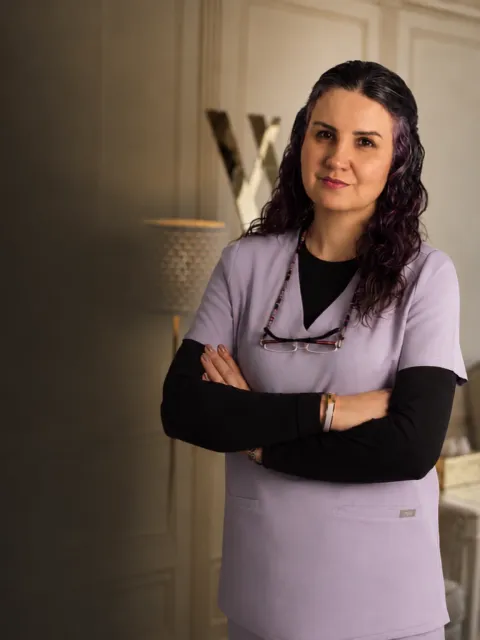
A typical plan may include an initial course of two to three sessions spaced several weeks apart, followed by maintenance every four to six months. Between sessions, a routine incorporating hydrating serums, antioxidant protection, and broad-spectrum sunscreen helps preserve improvements. Dr Azra Vaziri designs personalised radiance protocols tailored to each patient’s unique skin condition and concerns. For a full breakdown of natural and clinical approaches, see how to restore skin radiance.
Who May Benefit From Clinical Radiance Treatment
Clinical treatments for dull skin may be suitable for you if you experience any of the following:
Skincare has stopped working
Dullness persists despite a consistent routine, because the cause sits below the layers a product can reach.
Uneven tone or discolouration
Visible patchiness rather than a uniform complexion — often the legacy of years of UV exposure.
Rough, tired texture
A gritty surface that makes the whole face read as fatigued regardless of how you feel.
Early ageing you want to get ahead of
You would rather support collagen now than wait until the change is pronounced.
Years of UAE sun and air conditioning
Skin carrying the cumulative load of strong year-round sun and constant climate control.
Part of a wider skin-quality plan
Radiance as one goal within a broader programme rather than a single stand-alone fix.
Who May Not Be a Suitable Candidate
While radiance-restoring treatments are generally well tolerated, certain factors may affect suitability:
Active skin infection or inflammation — Treatment should be postponed until the skin has healed fully.
Pregnancy or breastfeeding — Most injectable and clinical skin treatments are not recommended during pregnancy or breastfeeding.
Known allergy to hyaluronic acid — For treatments involving hyaluronic acid, a confirmed sensitivity is a contraindication.
Autoimmune conditions — Suitability is assessed individually, and medical clearance may be required before treatment.
Recent isotretinoin use — A waiting period is typically required following isotretinoin therapy before certain procedures, particularly microneedling, can be performed.
Suitability is always confirmed during a medical consultation, where your medical history and skin condition are reviewed before any treatment is recommended.
Where to Go From Here
This page is the explainer. If you now know why your skin looks dull and want to act on it, these are the right next pages.
Frequently Asked Questions
Why does skin become dull?
Skin becomes dull when factors such as dehydration, slowed cell turnover, UV damage, and declining collagen reduce the skin’s ability to reflect light evenly. Environmental conditions — including prolonged air conditioning and sun exposure — can accelerate this process, particularly in hot climates like the UAE.
Can dull skin be a sign of dehydration?
Yes, dehydration is one of the most common causes of dull skin. When the skin lacks sufficient water, its surface becomes less smooth and reflective, leading to a flat, lifeless appearance. Addressing both surface and dermal hydration can often help restore a healthier-looking complexion.
What clinical treatments can restore skin radiance?
Clinical options include skin booster injections, PRP therapy, microneedling, exosome therapy, and collagen biostimulators. Each works differently — from delivering deep hydration to stimulating collagen renewal — and your clinician can recommend the approach that addresses why your skin has become dull. See our full overview of the best treatments for dull skin.
How long does it take to see results from radiance treatments?
Timelines vary depending on the treatment. Some patients notice early improvements within one to three weeks, while treatments that stimulate collagen production may take eight to twelve weeks to show their full effect. A course of two to three sessions is often recommended for optimal results.
Can I treat dull skin with topical products alone?
Topical products such as vitamin C serums and gentle exfoliants can improve surface brightness. However, if dullness is caused by deeper factors — such as dermal dehydration, collagen loss, or accumulated sun damage — clinical treatments may be needed to address what skincare products cannot reach.
How many sessions are needed to restore radiance?
Most radiance-focused treatment plans begin with an initial course of two to three sessions spaced several weeks apart. Maintenance treatments every four to six months can help sustain results. The exact number of sessions depends on the severity of your dullness and the treatment approach selected.
Is there downtime after treatments for dull skin?
Most treatments for dull skin involve minimal downtime. You may experience mild redness or sensitivity for 24 to 48 hours, but normal daily activities can generally be resumed immediately. Sun protection and gentle skincare are important in the days following your procedure.
Who should avoid clinical treatments for dull skin?
Patients with active skin infections, known allergies to treatment ingredients, or those who are pregnant or breastfeeding may not be suitable candidates. Individuals on isotretinoin or with autoimmune conditions should discuss their history during consultation. Suitability is always confirmed before treatment begins.
Where to go next
Read next: NCTF 135HA treatment in Dubai and Skin boosters in Dubai.
Book a Consultation
Dr Azra Vaziri — DHA & DOH licensed aesthetic physician with 20+ years of experience in Dubai & Abu Dhabi.