
Comparison Guide · Skin Boosters · Polynucleotides
Skin Boosters vs Polynucleotides: Hydration or Repair?
Skin boosters deliver hyaluronic acid micro-droplets into the dermis for targeted surface hydration, smoothness, and a dewy finish. Polynucleotides are purified DNA fragments that activate fibroblasts, rebuild collagen, and repair the skin barrier from the cellular level. Skin boosters treat dryness and dullness; polynucleotides treat damage and structural weakness.
In simple terms: Skin boosters = surface hydration + glow (3 sessions, 4–6 months). Polynucleotides = deep repair + barrier rebuilding (3–4 sessions, 6–12 months). If your skin is dehydrated but otherwise healthy, skin boosters. If it is damaged or thinning, polynucleotides.
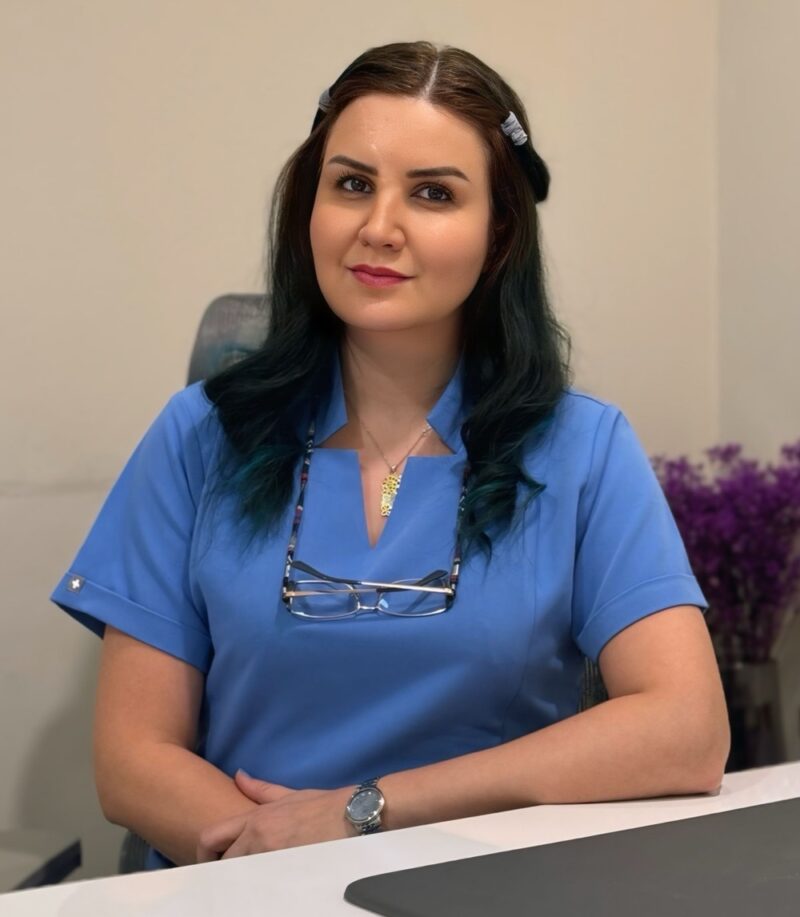
Both are injectable skin quality treatments — not fillers. This guide explains the science behind each one, what results to expect, and how Dr Azra Vaziri recommends choosing between them. For the full three-way comparison including Profhilo, see Profhilo vs Skin Boosters vs Polynucleotides.
Side-by-Side Comparison
How Each Treatment Works
Skin Boosters
Skin boosters are injectable hyaluronic acid treatments that deliver micro-droplets of HA directly into the dermis through a grid of small injections or via a mesotherapy gun. Unlike dermal fillers (which add volume), skin boosters stay where they are placed and hydrate the skin at the injection site.
The result is improved skin smoothness, hydration, fine line reduction, and a dewy surface quality. Skin boosters are the most straightforward injectable skin treatment — they hydrate, they plump, they improve texture. They do not stimulate collagen to a significant degree and do not repair the skin barrier. They are particularly popular for patients dealing with skin dehydration or dullness in Dubai’s climate. Learn more: how skin boosters improve skin quality.
Protocol: 3 sessions spaced 2–4 weeks apart. Maintenance every 4–6 months. See skin booster pricing →
Polynucleotides (Salmon DNA / PDRN)
Polynucleotides — commonly marketed as the salmon DNA treatment — are purified DNA fragments that work through a fundamentally different mechanism than hyaluronic acid. They activate fibroblasts through the adenosine A2A receptor pathway, stimulating the production of new collagen and elastin from the cellular level. They also have strong water-binding capacity, anti-inflammatory properties, and significant barrier-repair ability. For a deeper look at the science, see our guides on PDRN and what are polynucleotides.
This makes polynucleotides the deeper-acting treatment. They do not just hydrate the skin — they rebuild its structure, repair its barrier, and support its resilience. This is why they are particularly valued for damaged, thin, reactive, or post-procedure skin — including concerns like acne scarring, dark circles, and early skin aging.
Protocol: 3–4 sessions spaced 3–4 weeks apart. Maintenance every 6–12 months. Brands include Rejuran, Plinest, and Ameela.
When to Choose Each Treatment
- Your main concern is dehydration and surface dullness
- Your skin is generally healthy but needs a hydration boost
- You want smoother, plumper skin with a dewy finish
- You are preparing for an event or special occasion
- Budget is a primary consideration — see pricing
- You want faster visible results (1–2 weeks vs 2–4)
- Your skin is damaged, thin, reactive, or barrier-compromised
- You have under-eye crepiness or acne scarring
- You live in a high-UV environment (Dubai) and have sun damage
- You need deep structural repair, not just surface hydration
- You want longer-lasting results (6–12 months vs 4–6)
- You want collagen stimulation and barrier rebuilding
Can Skin Boosters and Polynucleotides Be Combined?
Yes — and for patients whose skin needs both repair and hydration, combining them is often the most effective approach. Since they work through completely different mechanisms (HA hydration vs DNA-based cellular repair), they complement each other rather than overlap.
A common protocol is to start with polynucleotides to rebuild the structural foundation — repairing the barrier, activating fibroblasts, and addressing collagen loss. Then skin boosters are layered in to add surface hydration and smoothness on top of that repaired foundation.
This combination is especially relevant in Dubai, where UV exposure and air conditioning constantly stress the skin barrier while also dehydrating the surface. Addressing both layers produces a more durable result than treating either one alone.
Dr Azra Vaziri designs layered protocols based on your skin assessment. For the most comprehensive approach, both can also be combined with Profhilo for bioremodelling or exosomes for cellular signalling. See also: polynucleotides vs exosomes and the full three-way comparison: Profhilo vs Skin Boosters vs Polynucleotides.
Related Treatments & Comparisons
Frequently Asked Questions
Book A Consultation With Dr Azra
Patients seeking personalized aesthetic assessment in Dubai or Abu Dhabi can contact Dr Azra for consultation regarding PRP, exosome therapy, and regenerative skin treatment planning.
Dr Azra Vaziri is a DHA and DOH licensed aesthetic physician practicing in Dubai and Abu Dhabi, with over 20 years of experience in aesthetic medicine, injectables, thread lifting, and non-surgical facial rejuvenation.