
Aesthetic Treatments During Pregnancy and Breastfeeding — What Is Safe and What to Avoid
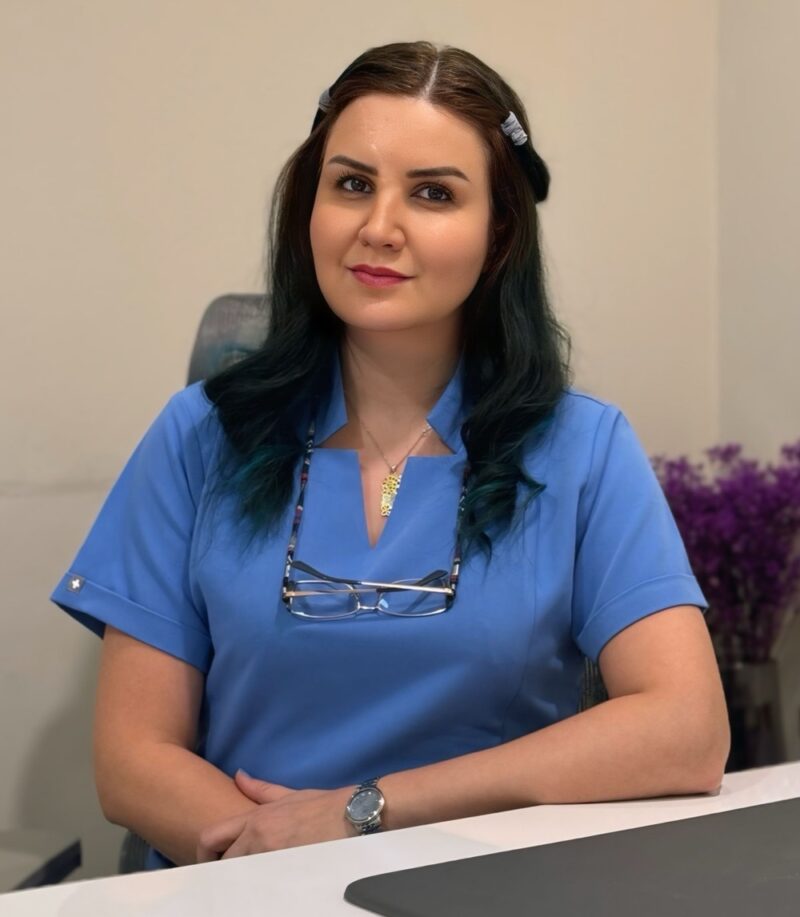
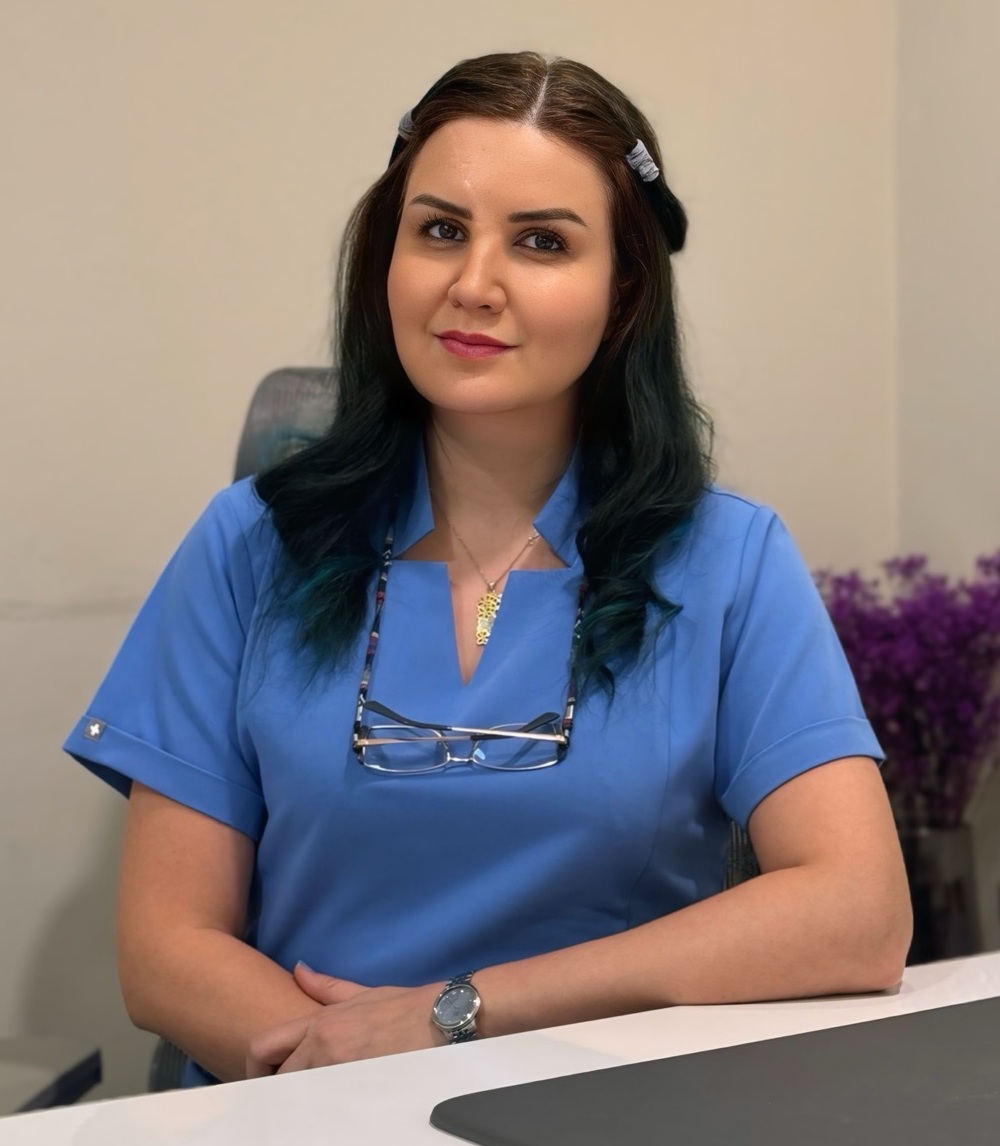
The short answer: most injectable aesthetic treatments — including Botox, dermal fillers, and skin boosters — should be avoided during pregnancy and breastfeeding. Not because they are proven harmful, but because there is insufficient safety data to confirm they are safe. This guide explains the evidence behind each treatment category so you can make informed decisions with your doctor. Reviewed by Dr Azra Vaziri, DHA and DOH licensed aesthetic physician.
Why Most Aesthetic Treatments Are Paused — Not Because They Are Dangerous
There is an important distinction that gets lost in most advice on this topic: “not proven safe” is not the same as “proven harmful.” Ethical clinical research cannot test cosmetic products on pregnant or breastfeeding women, which means we simply lack the controlled data to confirm safety. In the absence of that data, the medical standard is precautionary avoidance.
This does not mean that if you received Botox before discovering you were pregnant, you or your baby are at risk. Incidental exposure in early pregnancy — before pregnancy is confirmed — has not been linked to adverse outcomes in any published case reports. However, continuing or initiating treatments once pregnancy is known is not recommended by any major medical body.
Every responsible aesthetic physician will decline to treat a patient who is pregnant or breastfeeding. If a clinic offers to proceed anyway, that is a serious red flag about their clinical standards. At both of Dr Azra’s clinics — Prof Sakla Spanish Eye Clinic in Dubai and Louvre Medical Clinic in Abu Dhabi — pregnancy and breastfeeding are absolute contraindications for all injectable procedures.
Treatment-by-Treatment Safety Guide
Below is a clinical assessment of each major aesthetic treatment category during pregnancy and breastfeeding. This is not a blanket “avoid everything” list — some treatments carry genuine risk, while others are avoided purely out of precaution due to missing data.
Botox, Dysport, and Xeomin (Botulinum Toxin)
Status: Avoid during pregnancy and breastfeeding
Botulinum toxin is classified as FDA pregnancy category C — meaning animal studies have shown some adverse effects, and no controlled human studies exist. While Botox acts locally at the injection site and systemic absorption is minimal, the precautionary principle applies. There is no evidence that cosmetic-dose Botox crosses the placenta in meaningful amounts, but the absence of proof is not proof of absence. The same applies to Dysport and Xeomin. Whether botulinum toxin passes into breast milk in cosmetic doses has not been studied. Learn more about the differences between Botox, Dysport, and Xeomin.
Dermal Fillers (Hyaluronic Acid)
Status: Avoid during pregnancy and breastfeeding
Hyaluronic acid is a substance naturally present in the body, which leads some patients to assume HA dermal fillers must be safe during pregnancy. However, injectable HA fillers are cross-linked pharmaceutical products — not identical to the hyaluronic acid your body produces. No clinical trials have tested these products in pregnant or breastfeeding women. Additionally, pregnancy hormones can cause unpredictable swelling and fluid retention, which may affect filler behaviour and lead to asymmetric or exaggerated results. The same precaution applies to all filler brands including Juvéderm, Teosyal, and FillMed.
Biostimulators (Sculptra and Radiesse)
Status: Avoid during pregnancy and breastfeeding
Sculptra (poly-L-lactic acid) and Radiesse (calcium hydroxylapatite) are injectable biostimulators that trigger collagen production. Neither has been studied in pregnant or breastfeeding populations. Because they provoke a long-term biological response — stimulating new tissue formation over months — there is additional theoretical concern about introducing inflammatory stimuli during pregnancy, when the immune system is already modulated. Understand the differences in our guide on biostimulators vs dermal fillers.
Skin Boosters and Profhilo
Status: Avoid during pregnancy and breastfeeding
Skin boosters and Profhilo are injectable HA products — the same precautionary avoidance applies as with dermal fillers. While they are injected more superficially and in lower concentrations, they remain pharmaceutical injectables without pregnancy safety data. Polynucleotide treatments and exosome therapies also fall into this category.
Thread Lifting
Status: Avoid during pregnancy and breastfeeding
Thread lifting involves inserting absorbable sutures under the skin — a minimally invasive procedure that requires local anaesthetic. Both the procedure itself and the anaesthetic agents are contraindicated during pregnancy. Thread lifting also provokes a controlled inflammatory response for collagen stimulation, adding another layer of precaution during pregnancy when immune function is altered.
PRP Therapy
Status: Avoid during pregnancy and breastfeeding
Although PRP therapy uses your own blood — meaning there is no foreign substance involved — the procedure still involves needling, blood draw, and centrifugation. Platelet-rich plasma contains concentrated growth factors, and the effect of introducing these at elevated concentrations during pregnancy has not been studied. The blood draw and injection process also carries a small infection risk that is best avoided during pregnancy.
Chemical Peels
Status: Some safe, some to avoid — depends on type and depth
Superficial chemical peels using glycolic acid or lactic acid at low concentrations are generally considered acceptable during pregnancy by most dermatological guidelines. However, peels containing salicylic acid (BHA) at concentrations above 2%, trichloroacetic acid (TCA), or phenol are contraindicated — salicylic acid is related to aspirin and has theoretical teratogenic risk at high doses, while TCA and phenol have significant systemic absorption.
Dermapen Microneedling and RF Microneedling
Status: Avoid during pregnancy and breastfeeding
Dermapen microneedling creates controlled micro-injuries to the skin, and the serums applied during treatment are absorbed through these channels. Many of these serums contain active ingredients — including growth factors, retinol derivatives, or vitamin C at clinical concentrations — that are either untested or contraindicated during pregnancy. RF microneedling adds radiofrequency energy, which has no pregnancy safety data. Both procedures should be postponed.
HydraFacial
Status: Generally safe with modifications
HydraFacial is a non-invasive treatment that cleanses, exfoliates, and hydrates the skin without needles or significant chemical penetration. Standard HydraFacial protocols are generally considered safe during pregnancy, provided that the serum boosters used do not contain salicylic acid, retinol, or other pregnancy-contraindicated ingredients. Inform your aesthetician that you are pregnant so they can adjust the protocol accordingly.
What You Can Do — Safe Skincare During Pregnancy
While most aesthetic procedures are paused during pregnancy and breastfeeding, your skincare routine does not have to stop entirely. Several approaches remain safe and can help maintain skin quality until you are ready to resume treatments.
Safe During Pregnancy
SPF 30–50 mineral sunscreen (zinc oxide or titanium dioxide) — essential for preventing melasma, which pregnancy hormones can trigger. Hyaluronic acid serums (topical, not injectable). Vitamin C serum (L-ascorbic acid at 10–20%). Gentle cleansers and moisturisers. Azelaic acid (up to 20% — considered safe by most guidelines and effective for pregnancy-related hyperpigmentation). Niacinamide (vitamin B3).
Avoid During Pregnancy
Retinoids (tretinoin, retinol, adapalene, isotretinoin) — category X, known teratogenic risk. Salicylic acid above 2% concentration. Hydroquinone (used for melasma — not recommended during pregnancy). Benzoyl peroxide at high concentrations. Essential oils with hormonal activity (clary sage, rosemary). Any product containing formaldehyde-releasing preservatives.
When Can You Resume Aesthetic Treatments?
The timeline for resuming treatments depends on whether you are breastfeeding:
After Delivery (Not Breastfeeding)
If you are not breastfeeding, most aesthetic treatments can resume once you have recovered from delivery and your body has stabilised — typically 6–8 weeks postpartum. However, it is advisable to wait until hormonal fluctuations have settled, as pregnancy hormones can linger for several weeks and may affect treatment outcomes. Discuss timing with both your obstetrician and your aesthetic physician.
While Breastfeeding
The same precautions that apply during pregnancy apply during breastfeeding for most injectable treatments. Although the transfer of substances like botulinum toxin or hyaluronic acid into breast milk is theoretically unlikely at cosmetic doses, this has not been studied. Most manufacturers and medical guidelines recommend waiting until breastfeeding has ended before resuming Botox, fillers, or other injectables.
After Breastfeeding Ends
Once you have fully stopped breastfeeding, you can resume all aesthetic treatments without restriction. Many patients use this as an opportunity for a comprehensive rejuvenation consultation — addressing skin changes from pregnancy (pigmentation, laxity, volume shifts) with a tailored treatment plan. Common post-pregnancy treatment combinations include skin boosters for hydration recovery, Profhilo for skin tightening, and a return to maintenance Botox. For patients concerned about post-pregnancy skin ageing, biostimulators like Sculptra can help rebuild collagen that may have been depleted during pregnancy and breastfeeding.
Managing Pregnancy Skin Concerns Without Injectables
Pregnancy creates specific skin challenges — and understanding which ones are temporary versus lasting can save you from unnecessary worry.
Melasma (pregnancy mask): Hormonal pigmentation is one of the most common pregnancy skin concerns. The most important intervention is strict sun protection — mineral SPF 50 applied daily, reapplied every 2 hours in sun exposure, and worn even indoors near windows in the UAE climate. Topical azelaic acid (safe during pregnancy) can help manage existing patches. Avoid hydroquinone during pregnancy. Most pregnancy-related melasma improves significantly after delivery and hormonal normalisation. For stubborn cases, treatments like hyperpigmentation treatment including chemical peels and targeted skincare can be initiated after breastfeeding ends.
Acne flare-ups: Hormonal changes can trigger acne, even in patients who never experienced it before. Azelaic acid and niacinamide are pregnancy-safe options. Avoid retinoids and salicylic acid at prescription strengths. Post-pregnancy, acne scar treatment options including Dermapen and RF microneedling can address any lasting texture concerns.
Skin dryness and dehydration: Increased blood volume and hormonal shifts can leave skin feeling dehydrated. Topical hyaluronic acid serum, ceramide-rich moisturisers, and adequate water intake are your best tools. After pregnancy, injectable skin boosters can restore deep hydration. Learn more about how to improve skin hydration.
Frequently Asked Questions
I had Botox before I knew I was pregnant. Should I be worried?
No. There are no published case reports linking cosmetic-dose botulinum toxin to adverse pregnancy outcomes. Botox acts locally at the injection site and systemic absorption is minimal. However, you should discontinue further treatments until after pregnancy and breastfeeding, and inform your obstetrician about the exposure for documentation purposes.
Can I get lip filler while breastfeeding?
No — lip filler and all other hyaluronic acid fillers are not recommended during breastfeeding. While the theoretical risk of HA passing into breast milk is low, no clinical studies have confirmed safety. Most physicians recommend waiting until breastfeeding has ended before resuming any filler treatments.
How soon after stopping breastfeeding can I get Botox?
Most aesthetic physicians recommend waiting at least 2–4 weeks after fully stopping breastfeeding before resuming Botox or other injectable treatments. This allows residual hormonal changes to stabilise. Some practitioners recommend waiting until your first normal menstrual cycle post-breastfeeding as a marker that hormones have reset.
Is HydraFacial safe during pregnancy?
Standard HydraFacial using the basic protocol is generally considered safe during pregnancy. However, you should request that any serum boosters containing salicylic acid, retinol, or high-concentration active ingredients are excluded from the treatment. Inform your aesthetician about your pregnancy before the session begins.
Can I use retinol during pregnancy?
No. Retinoids (including retinol, tretinoin, adapalene, and isotretinoin) are contraindicated during pregnancy. Oral isotretinoin is classified as category X with known teratogenic effects. While topical retinol carries lower risk, dermatological guidelines recommend avoiding all forms of retinoids during pregnancy and breastfeeding as a precaution. Safe alternatives for skin renewal include azelaic acid and vitamin C.
My existing Botox is wearing off during pregnancy. Will my wrinkles get worse?
Your wrinkles will return to their pre-Botox state as the product wears off — they will not get worse than they were before you started treatment. In fact, if you have been maintaining regular Botox, your muscles may have partially weakened from disuse, which could mean your wrinkles are actually less prominent than they would have been without any prior treatment. Once you resume Botox after pregnancy, results will return as normal.
Are laser treatments safe during pregnancy?
Most laser treatments are not recommended during pregnancy due to the potential for pain-induced stress, lack of safety data, and the risk of triggering or worsening melasma (which is already more likely during pregnancy due to hormonal changes). This includes laser hair removal, IPL, and ablative lasers. Non-ablative LED light therapy at low intensity may be acceptable, but always consult your physician first.
What aesthetic treatments can I plan for after my baby arrives?
Once breastfeeding has ended, the full range of aesthetic treatments is available. Common post-pregnancy priorities include skin boosters for restoring skin hydration, Profhilo for skin laxity, Botox maintenance, and biostimulators for collagen recovery. Book a consultation with Dr Azra to build a personalised post-pregnancy treatment plan.
Related Guides
Book a Consultation
Dr Azra Vaziri — DHA & DOH licensed aesthetic physician with 20+ years of experience in Dubai & Abu Dhabi.