Educational Guide
How to Restore Collagen in Aging Skin
Understanding how to restore collagen in aging skin is one of the most important questions in modern aesthetic medicine. Collagen is the structural protein that keeps your skin firm, smooth, and resilient.
Once it begins to decline — which happens naturally from your mid-twenties — the visible consequences gradually follow: fine lines, sagging, rough texture, and a loss of the plump, healthy appearance that characterises youthful skin.
In This Guide: Signs That Your Skin Is Losing Collagen · Natural Ways to Support Collagen · Natural Support vs Clinical Restoration · Clinical Treatments That Restore Collagen · Building a Collagen Restoration Plan · What to Expect From Treatment · Who May Benefit From Collagen Restoration · Frequently Asked Questions
- 20+Years' experience
- DHA · DOHLicensed
- 2Clinics
- 2004Practising since
How Collagen Is Lost in Aging Skin
Collagen makes up roughly 75-80% of the dermis and forms the structural scaffolding that gives skin its firmness. From around the age of 25, your body produces approximately 1% less collagen each year. By your forties and fifties, the cumulative loss becomes visible as fine lines deepen, the skin loses its taut quality, and the overall texture becomes less smooth.
This natural decline is accelerated by external factors. UV radiation triggers enzymes called matrix metalloproteinases that actively break down existing collagen. Pollution and oxidative stress damage collagen fibres. Chronic dehydration — common in Dubai’s climate of outdoor heat and indoor air conditioning — impairs the environment in which collagen is produced. Smoking, poor nutrition, and hormonal changes (particularly around menopause) further compound the loss.
Signs That Your Skin Is Losing Collagen
Collagen loss does not happen overnight. The signs develop gradually and may include:
- Fine lines that appear at rest, not only during expression
- A gradual loss of skin firmness or a feeling that the skin is less taut
- Skin that takes longer to bounce back when pressed
- Rough or uneven texture that worsens over time
- Deeper nasolabial folds or hollowing around the cheeks and temples
- A dull, flat complexion that lacks the healthy radiance of well-supported skin
If you are noticing several of these signs, particularly if they have progressed beyond what topical skincare can address, a clinical assessment can help determine the degree of collagen loss and the most effective restoration approach.
Natural Ways to Support Collagen
While natural methods cannot fully replace collagen that has already been lost, they play a critical role in protecting what remains and supporting ongoing production:
Daily sunscreen — Broad-spectrum SPF 30+ is the single most effective daily measure against collagen degradation. UV damage is responsible for the majority of extrinsic collagen loss.
Topical retinoids — Vitamin A derivatives are the most evidence-backed topical ingredient for supporting collagen. They promote cell turnover and can stimulate collagen synthesis in the upper dermis when used consistently.
Vitamin C serum — A potent antioxidant that supports collagen production and provides photoprotective benefits alongside sunscreen.
Nutrition — Collagen synthesis requires vitamin C, zinc, copper, and amino acids (particularly proline and glycine). A diet rich in leafy greens, citrus, fish, eggs, and nuts supports these processes from within.
Sleep and stress management — Growth hormone, which supports tissue repair and collagen renewal, is released primarily during deep sleep. Chronic stress elevates cortisol, which actively breaks down collagen.
Natural Support vs Clinical Restoration
Natural approaches are essential for daily collagen protection and maintenance. However, they work primarily on the skin’s outermost layers and can only partially support the deeper dermis where the bulk of collagen resides. When significant collagen has already been lost, clinical treatments are typically needed to stimulate meaningful new production at a structural level. For a full explanation of why collagen declines, see how collagen production decreases with age.
The most effective long-term strategy combines both: clinical treatments to rebuild what has been lost, supported by daily habits that protect the new collagen and slow future decline.
Clinical Collagen Restoration
Stimulates new collagen production deep within the dermis
Can address structural loss that daily care cannot reach
Results develop progressively as new collagen matures
Effects can last months to years with maintenance
Natural Collagen Support
Protects existing collagen from UV and environmental damage
Supports surface-level collagen synthesis via retinoids and vitamin C
Provides nutritional building blocks for ongoing production
Essential for daily maintenance between clinical sessions
Clinical Treatments That Restore Collagen
Several non-surgical treatments can stimulate meaningful collagen restoration. Each works through a different mechanism, and the right choice depends on your degree of collagen loss and your specific concerns.
Collagen biostimulators — Collagen biostimulator treatments including Sculptra and Radiesse introduce biocompatible agents that trigger a controlled response, prompting fibroblasts to produce new collagen over weeks and months. They are particularly effective for restoring volume and firmness in ageing skin. Profhilo bio-remodelling similarly stimulates four types of collagen and elastin through a different HA-based mechanism.
Microneedling — Microneedling collagen induction therapy activates the wound-healing cascade through thousands of controlled micro-channels, stimulating both collagen and elastin production. It is especially suited to texture, scarring, and fine line improvement.
PRP skin therapy — PRP skin therapy delivers concentrated growth factors from your own blood that may support collagen synthesis and cellular renewal through biological signalling rather than physical injury.
Exosome therapy — Exosome therapy uses cell-derived signalling molecules that may direct fibroblasts to increase collagen output. As a newer modality, early clinical results are considered promising.
Skin booster injections — Skin booster treatment delivers hyaluronic acid into the dermis, restoring the hydrated environment that collagen requires to be produced and maintained effectively.
| Treatment | Collagen Restoration Mechanism | Best For | Results Timeline |
|---|---|---|---|
| Collagen Biostimulators | Biocompatible agents prompt new collagen production | Volume loss, firmness decline, structural ageing | Progressive over 8-12 weeks; can last 1-2 years |
| Microneedling | Wound-healing cascade stimulates collagen and elastin | Texture, fine lines, scarring, pores | Progressive over 4-6 weeks per session |
| PRP Therapy | Growth factors support collagen synthesis and renewal | Overall vitality, tone, early ageing signs | Gradual over 4-6 weeks |
| Exosome Therapy | Cellular signals may direct fibroblasts to produce collagen | Environmentally stressed skin, recovery support | Early signs within 1-3 weeks |
| Skin Boosters | Hydrated dermis supports collagen environment | Dehydration, dullness, fine lines | Visible within 2-4 weeks |
Building a Collagen Restoration Plan
Effective collagen restoration is not a single treatment but a sustained programme. The clinical component typically begins with an initial course of two to four sessions spaced several weeks apart, followed by maintenance treatments every four to twelve months depending on the approach used. For an overview of all available options, see collagen stimulation skin treatments.
Between sessions, daily protection is essential: sunscreen to prevent UV-driven collagen breakdown, retinoids to support ongoing synthesis, vitamin C for antioxidant defence, and adequate nutrition and sleep to provide the biological resources that collagen production requires.
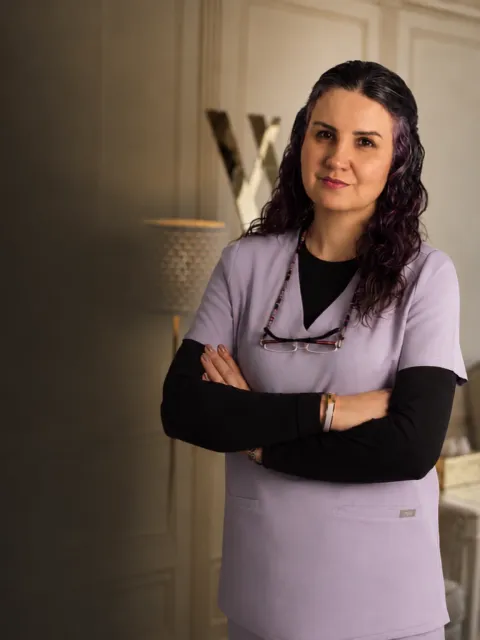
Dr Azra Vaziri designs personalised collagen restoration plans that account for each patient’s degree of collagen loss, their age, lifestyle, environmental exposure, and treatment goals — ensuring the plan targets the specific factors that are most relevant to your skin.
What to Expect From Treatment
Before Your Appointment
Your clinician will assess your skin’s firmness, texture, hydration, and visible signs of ageing. You may be advised to avoid retinoids and blood-thinning medications for several days before certain procedures.
During Treatment
Most collagen-focused treatments take 30 to 60 minutes. A topical anaesthetic is applied beforehand. Depending on the procedure, you may feel mild prickling, pressure, or warmth. All treatments are outpatient procedures with no overnight stay required.
Aftercare and Recovery
Downtime is minimal for most procedures. Mild redness, swelling, or sensitivity may last 24-72 hours. Sun protection and gentle skincare are essential during recovery. Results develop progressively as new collagen forms — patience is an important part of the process.
Who May Benefit From Collagen Restoration
Collagen restoration treatments may be suitable for you if you experience any of the following:
- Loss of skin firmness that has progressed beyond what topical products can address
- Fine lines or wrinkles that are becoming more visible at rest
- Rough or uneven skin texture
- Hollowing or volume loss in the cheeks, temples, or jawline
- A desire to take a proactive, preventative approach to ageing
- Living in the United Arab Emirates, where environmental factors accelerate collagen breakdown
Suitability for specific treatments is always confirmed during a medical consultation, where your skin condition, medical history, and goals are reviewed before any plan is recommended. See our dedicated collagen loss treatment page for available options in Dubai.
Frequently Asked Questions
Can lost collagen actually be restored?
Clinical treatments can stimulate your body to produce new collagen, which partially restores what has been lost. While the process cannot fully reverse decades of decline, it can meaningfully improve skin firmness, texture, and quality. Ongoing maintenance and daily protection help sustain the benefits over time.
What is the most effective way to restore collagen?
The most effective approach combines clinical treatments with daily protective habits. Collagen biostimulators and microneedling are among the most established clinical options for stimulating new collagen production. Daily sunscreen, retinoids, and vitamin C help protect and support the collagen that is produced.
At what age should I start restoring collagen?
Collagen production declines from around age 25, so preventative measures can begin in your mid-to-late twenties. Clinical collagen restoration treatments are typically most relevant from your early thirties onward, though the right timing depends on your skin’s condition, lifestyle, and environmental exposure.
Do collagen supplements help restore skin collagen?
Some studies suggest that hydrolysed collagen supplements may support skin hydration and elasticity, though the evidence is mixed. Supplements provide amino acid building blocks but cannot direct where new collagen is produced. Clinical treatments that stimulate collagen at the site of concern tend to be more targeted and predictable.
How long does it take to see results from collagen treatments?
Results develop progressively as new collagen matures. Some improvements may be visible within two to four weeks, while treatments like collagen biostimulators continue developing for eight to twelve weeks. Full results from a treatment course may take several months to become apparent.
How many sessions are needed to restore collagen?
Most protocols involve an initial course of two to four sessions spaced several weeks apart. Maintenance sessions every four to twelve months help sustain collagen levels. The exact number depends on the degree of collagen loss and the specific treatments selected.
Can I combine collagen treatments with other procedures?
Yes, combining treatments is common and often recommended. For example, microneedling may be paired with PRP for enhanced collagen stimulation, or biostimulators may be combined with skin boosters to address both structure and hydration. Your clinician will advise on appropriate combinations and timing.
Does sunscreen really help preserve collagen?
Yes. UV radiation is the single largest external contributor to collagen breakdown, triggering enzymes that actively degrade collagen fibres in the dermis. Daily broad-spectrum sunscreen is considered the most important step you can take to protect existing collagen and preserve the results of clinical restoration treatments.
Ready to Restore Your Skin’s Collagen?
Dr Azra Vaziri offers personalised consultations in Dubai and Abu Dhabi to assess your collagen levels and develop a tailored restoration plan for firmer, smoother, healthier skin.
Book a Consultation
Dr Azra Vaziri — DHA & DOH licensed aesthetic physician with 20+ years of experience in Dubai & Abu Dhabi.