Educational Guide
What Causes Uneven Skin Texture
Understanding what causes uneven skin texture is the first step toward treating it effectively. Rough, bumpy, or irregular skin is one of the most common concerns patients raise in clinical consultations — and it is rarely caused by a single factor.
Texture problems develop when multiple processes in the skin are disrupted: cell turnover slows, collagen breaks down, hydration is lost, or damage accumulates from UV exposure and environmental stress.
In This Guide: Key Causes of Uneven Skin Texture · How Uneven Texture Presents · Why Topical Products May Not Be Enough · Clinical Treatments That Address Texture · What to Expect From Treatment · Prevention and Long-Term Care · Who May Benefit From Texture-Focused Treatment · Frequently Asked Questions
- 20+Years' experience
- DHA · DOHLicensed
- 2Clinics
- 2004Practising since
How Skin Texture Works
Skin texture refers to the smoothness and uniformity of the skin’s surface. When the skin is healthy, it turns over cells at a consistent rate, maintains adequate hydration, and has a well-organised collagen matrix that keeps the surface even and firm. Light reflects uniformly off this smooth surface, producing what we perceive as healthy, radiant skin.
When any of these processes is disrupted — whether through ageing, environmental damage, or impaired barrier function — the surface becomes irregular. Dead cells accumulate, pores become more visible, micro-scarring develops, and hydration drops. The result is skin that feels rough, looks dull, and no longer reflects light evenly.
Key Causes of Uneven Skin Texture
Uneven texture is almost always multifactorial. Below are the most clinically significant contributors, several of which are amplified for patients in the UAE.
Slowed cell turnover — The epidermis naturally sheds dead cells and replaces them with new ones. As you age, this cycle slows — from roughly every 28 days in your twenties to 40–50 days or longer by your forties. The resulting buildup creates a rough, dull surface layer.
Collagen and elastin degradation — Collagen provides the skin’s structural scaffolding. As it breaks down — through ageing and UV exposure — the surface loses its smooth, taut quality. Elastin loss compounds this by reducing the skin’s ability to spring back after stretching.
Chronic dehydration — When the dermis lacks water, the skin’s surface becomes gritty, tight, and irregular. In Dubai’s climate, the cycle of extreme outdoor heat and cold indoor air conditioning creates persistent transepidermal water loss that slowly degrades texture.
Cumulative UV damage — UV radiation thickens the stratum corneum unevenly, disrupts melanin distribution, and degrades collagen in the dermis. Over years, this produces the rough, mottled texture characteristic of photoaged skin.
Acne scarring and post-inflammatory marks — Breakouts that damage the dermis can leave behind pitted, raised, or discoloured marks that alter the skin’s surface permanently if untreated. See our guide to acne scar treatment in Dubai.
Enlarged or congested pores — Pores that are stretched by sebum, debris, or loss of surrounding collagen create a visibly uneven surface, particularly across the nose, cheeks, and chin. See our large pores treatment guide.
Impaired barrier function — Harsh cleansers, over-exfoliation, or chronic environmental stress can weaken the skin’s protective barrier, leaving the surface vulnerable to irritation, flaking, and textural irregularity.
How Uneven Texture Presents
Texture concerns can manifest differently depending on the underlying cause. You may notice one or more of the following:
- A rough or gritty feel when you run your fingers across the skin
- Small bumps or a cobblestone-like surface, particularly on the cheeks or forehead
- Visible pores that give the skin a stippled appearance
- Pitted or indented acne scars that create an uneven surface
- Dry, flaking patches that persist despite moisturising
- Makeup that clings to uneven areas or looks patchy within hours
Recognising which type of textural irregularity you are dealing with can help your clinician identify the most likely cause — and the most appropriate treatment approach.
Why Topical Products May Not Be Enough
Topical exfoliants, retinoids, and hydrating serums can improve mild surface roughness. They support cell turnover and maintain barrier function when used consistently. However, they work primarily on the epidermis and cannot address deeper structural causes such as collagen loss, dermal dehydration, or scarring below the skin’s surface.
When texture problems originate in the dermis — as they often do in cases of moderate roughness, acne scarring, or long-term photodamage — clinical treatments that work beneath the surface are typically needed to produce visible, lasting improvement. See our overview of collagen stimulation treatments for the full range of options.
Clinical Treatments
Stimulate collagen remodelling and elastin renewal in the dermis
Address scarring, pore structure, and deep dehydration
Results develop progressively and can last several months
Require professional assessment and administration
Topical Skincare
Supports surface cell turnover and barrier maintenance
Helps with mild roughness, dullness, and daily hydration
Requires consistent daily application for ongoing benefit
Available without clinical supervision
Clinical Treatments That Address Texture
Several non-surgical skin treatments can target the structural causes of uneven texture. The right approach depends on which factors are most relevant for your skin.
Microneedling — Microneedling collagen induction therapy creates controlled micro-channels that trigger collagen and elastin production. It is especially effective for rough texture, scarring, enlarged pores, and fine lines. RF microneedling adds radiofrequency energy for deeper collagen remodelling and tightening.
Skin booster injections and Profhilo — Skin booster treatment and Profhilo deliver hyaluronic acid into the dermis, restoring the deep hydration that keeps the skin’s surface smooth and supple. Profhilo also stimulates collagen and elastin through bio-remodelling. Both are particularly suited to dehydration-driven roughness.
PRP skin therapy — PRP skin therapy uses your own growth factors to support cellular renewal and collagen production, helping to improve overall smoothness and tone over a course of sessions.
Exosome therapy and polynucleotides — Exosome therapy and polynucleotide injections deliver cellular signalling molecules that accelerate repair and renewal, activating fibroblasts to help smooth texture irregularities caused by environmental damage or ageing.
Collagen biostimulators — Collagen biostimulator treatments encourage the body to rebuild its own collagen over time, gradually restoring the structural foundation that supports a smoother, firmer surface.
| Treatment | How It Addresses Texture | Best For | Results Timeline |
|---|---|---|---|
| Microneedling | Stimulates collagen remodelling and surface renewal | Scarring, roughness, pores, fine lines | Progressive over 4–6 weeks per session |
| Skin Boosters | Restores dermal hydration for smoother surface | Dehydration roughness, gritty texture, dullness | Visible improvement within 2–4 weeks |
| PRP Therapy | Growth factors support renewal and smoothness | Overall tone, vitality, mild textural unevenness | Gradual improvement over 4–6 weeks |
| Exosome Therapy | Cellular signals may accelerate repair and smoothing | Environmentally stressed or ageing skin | Early signs within 1–3 weeks |
| Collagen Biostimulators | Rebuilds structural collagen for firmer surface | Loss of firmness, long-term textural decline | Progressive results over 8–12 weeks |
What to Expect From Treatment
Before Your Appointment
Your clinician will assess your skin type, the nature of your texture concerns, and your medical history. You may be advised to avoid retinoids and active exfoliants for several days before certain procedures.
During Treatment
Most treatments take 30 to 60 minutes. A topical anaesthetic is applied beforehand. Depending on the procedure, you may feel mild prickling, vibration, or gentle pressure. All treatments are performed as outpatient procedures.
Aftercare and Recovery
Downtime is minimal for most procedures. You may experience mild redness or sensitivity for 24–48 hours. Sun protection and gentle, hydrating skincare are essential during recovery — particularly important in the UAE climate.
Prevention and Long-Term Care
Treating uneven texture is most effective when combined with daily habits that prevent further damage. Clinical treatments restore what has already been lost, while protective skincare slows future decline.
Key daily measures include broad-spectrum sunscreen (SPF 30+ every day, including indoors), a gentle but effective cleanser that preserves barrier function, hydrating serums containing hyaluronic acid, and a retinoid used at an appropriate strength to support ongoing cell turnover. Adequate sleep, hydration, and a nutrient-rich diet all contribute to the skin’s ability to maintain a smooth, healthy surface.
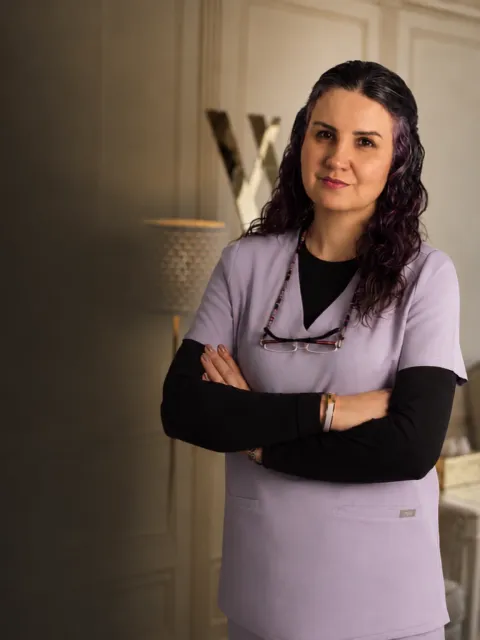
Dr Azra Vaziri develops personalised maintenance plans that combine periodic clinical treatment with a daily skincare protocol, ensuring your texture improvements are sustained over the long term. For practical daily guidance, see how to improve skin texture.
Who May Benefit From Texture-Focused Treatment
Clinical texture treatments may be suitable for you if you experience any of the following:
- Rough or bumpy skin that does not improve with topical care
- Acne scarring or post-blemish marks that have not faded
- Enlarged or congested pores
- Dry, flaky patches that persist despite moisturising
- A desire to restore smooth, even skin quality
- Living in the United Arab Emirates, where environmental factors actively degrade skin texture
Suitability for specific treatments is always confirmed during a medical consultation, where your skin condition, medical history, and goals are reviewed before any plan is recommended.
Frequently Asked Questions
What causes uneven skin texture?
Uneven texture is typically caused by a combination of factors including slowed cell turnover, collagen loss, chronic dehydration, UV damage, acne scarring, and enlarged pores. Environmental conditions such as heat and air conditioning — common in the UAE — often accelerate these changes.
Why does my skin feel rough even though I moisturise?
Topical moisturisers hydrate the skin’s outermost layer but cannot reach the dermis where deeper structural changes occur. If roughness is caused by collagen loss, accumulated dead cell buildup, or dermal dehydration, clinical treatments may be needed to address the underlying cause.
Can uneven skin texture be fixed?
Yes, many types of uneven texture can be meaningfully improved with the right treatment approach. Microneedling, skin boosters, PRP therapy, and other clinical options can address the structural causes behind rough or irregular skin. A clinical assessment helps determine which approach is most appropriate.
Is uneven texture the same as having dry skin?
Not necessarily. Dry skin is a skin type characterised by low oil production, while uneven texture is a condition that can affect any skin type. You can have oily skin with rough texture. Dehydration contributes to textural problems, but so do collagen loss, scarring, and slowed cell renewal.
What clinical treatments improve skin texture?
Common options include microneedling for collagen stimulation and scarring, skin boosters for deep hydration, PRP therapy for growth factor-driven renewal, exosome therapy for cellular repair, and collagen biostimulators for structural support. The right choice depends on the specific cause of your texture concerns.
How many sessions are needed to improve skin texture?
Most treatment plans begin with two to four sessions spaced several weeks apart, depending on the treatment selected. Maintenance sessions every four to six months can help sustain results. The exact number depends on the severity of your texture concerns and your skin’s response.
Does living in Dubai make skin texture worse?
The combination of intense UV, extreme heat, and prolonged air conditioning in Dubai can place the skin under sustained environmental stress. These factors accelerate dehydration, collagen breakdown, and barrier impairment — all of which contribute to rough, uneven texture over time.
How can I prevent my skin texture from getting worse?
Daily broad-spectrum sunscreen is the most important preventative step. Consistent hydration, gentle cleansing, a retinoid used at an appropriate strength, and adequate sleep all support healthy texture. Periodic clinical treatments can help maintain collagen levels and repair capacity over time.
Concerned About Your Skin Texture?
Dr Azra Vaziri offers personalised consultations in Dubai and Abu Dhabi to assess the causes behind your texture concerns and develop a targeted treatment plan for smoother, healthier skin.
Book a Consultation
Dr Azra Vaziri — DHA & DOH licensed aesthetic physician with 20+ years of experience in Dubai & Abu Dhabi.