Educational Guide
Non-Surgical Skin Rejuvenation Treatments Explained
Not everyone wants — or needs — surgery to improve the way their skin looks and feels. Modern non-surgical skin rejuvenation treatments can improve texture, hydration, firmness, and overall skin quality without incisions, general anaesthesia, or significant downtime. This guide explains the options available at aesthetic clinics in Dubai and Abu Dhabi.
In This Guide: Common Non-Surgical Skin Rejuvenation Treatments · Treatment Comparison at a Glance · Choosing the Right Treatment · Combining Non-Surgical Treatments · What to Expect: Before, During, and After Treatment · Who May Benefit From Non-Surgical Skin Rejuvenation · Who May Not Be a Suitable Candidate
- 20+Years' experience
- DHA · DOHLicensed
- 2Clinics
- 2004Practising since
What Is Non-Surgical Skin Rejuvenation?
Non-surgical skin rejuvenation refers to clinical treatments that improve skin quality and appearance without surgical procedures. These work by stimulating biological processes — collagen production, tissue repair, hydration, cellular renewal — that keep skin healthy and resilient.
Surgical facial rejuvenation physically repositions tissue and removes excess skin. Non-surgical approaches improve the quality, texture, and structure of the skin itself. Within this category, regenerative aesthetic treatments represent a particularly effective approach — stimulating your body’s own repair biology rather than adding external substances.
How They Compare
| Non-Surgical Rejuvenation | Surgical Rejuvenation | |
|---|---|---|
| How it works | Stimulates biological repair — collagen, growth factors, cellular signalling, hydration | Physically repositions tissue and removes excess skin |
| Downtime | Minimal — hours to a few days | Weeks of recovery |
| Results | Gradual improvement over weeks to months | Immediate structural change |
| Best for | Skin quality, texture, radiance, mild laxity, prevention | Significant laxity, deep structural aging, excess skin |
Note: Non-surgical and surgical approaches are not mutually exclusive. Some patients benefit from both at different stages.
Common Non-Surgical Skin Rejuvenation Treatments
Skin Booster Treatments and Profhilo Bioremodelling
Skin booster treatment delivers micro-doses of hyaluronic acid directly into the dermis
Read moreShow less
— restoring deep hydration that improves plumpness, surface smoothness, and overall skin quality over a course of sessions. Profhilo bioremodelling uses a higher concentration of HA to additionally stimulate collagen and elastin production across the face, neck, and hands.
PRP Skin Treatment
PRP skin treatment uses platelet-rich plasma from your own blood. Concentrated growth factors stimulate collagen production, microcirculation, and tissue repair.
DetailsShow less
Because the material is autologous, the risk of allergic reaction is minimal.
Microneedling and RF Microneedling
Microneedling collagen induction therapy and RF microneedling create controlled micro-injuries that activate the wound-healing cascade, stimulating fresh collagen and elastin production.
Read moreShow less
They are among the most versatile non-surgical treatments available, with RF microneedling offering additional radiofrequency-driven tissue remodelling.
Exosome Skin Therapy
Exosome skin therapy delivers cell-derived signalling vesicles that may instruct skin cells to accelerate repair, reduce inflammation, and upregulate collagen synthesis.
DetailsShow less
It represents one of the more advanced modalities in non-surgical rejuvenation and is often used with microneedling to enhance delivery.
Polynucleotide (PDRN) Therapy
Polynucleotide therapy uses purified DNA fragments derived from salmon to activate fibroblasts, support cellular repair, and improve dermal quality.
DetailsShow less
PDRN works through the adenosine A2A receptor pathway to reduce inflammation and stimulate the skin’s structural renewal from within.
Collagen Biostimulator Treatments
Collagen biostimulator treatments use biocompatible injectable materials to trigger the body’s own collagen-building response — producing gradual, natural improvement in skin density and firmness that can last one to two years.
Treatment Comparison at a Glance
Session counts and timelines are general guidelines. Your treatment plan will be determined during consultation.
| Treatment | Primary Mechanism | Best For | Typical Sessions | Results Timeline |
|---|---|---|---|---|
| Skin Boosters / Profhilo | Deep dermal hydration & bioremodelling | Dehydration, dullness, fine lines, laxity | 2–3 initial, then maintenance | 1–4 weeks |
| PRP | Growth factor delivery | Skin rejuvenation, collagen loss, dullness | 3 sessions (4–6 weeks apart) | 4–8 weeks |
| Microneedling / RF Microneedling | Wound-healing & collagen induction | Texture, scars, fine lines, pores | 3–6 sessions (4–6 weeks apart) | 4–12 weeks |
| Exosome Therapy | Cellular signalling | Inflammation, repair, advanced rejuvenation | Varies by protocol | 4–12 weeks |
| Polynucleotides (PDRN) | Fibroblast activation & cellular repair | Skin quality, barrier repair, radiance | 3–4 sessions (2–4 weeks apart) | 3–6 weeks |
| Biostimulators | Collagen scaffolding | Skin laxity, density loss, firmness | 2–3 sessions (6–8 weeks apart) | 8–12 weeks (lasting 1–2 years) |
Choosing the Right Treatment
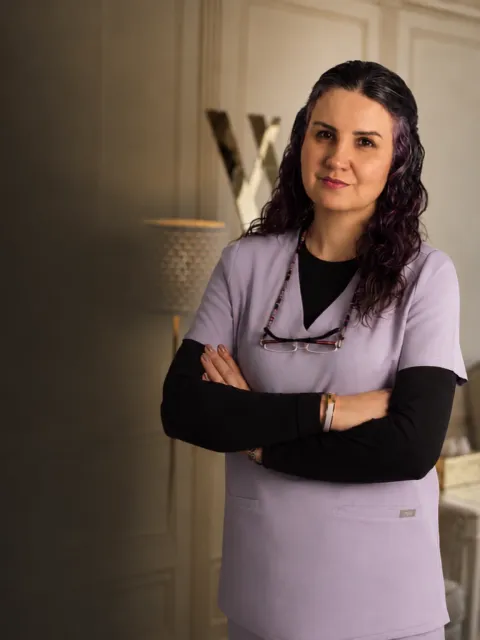
The answer depends on your current skin condition, age, the specific concern you want to address, and your treatment goals. Dr. Azra Vaziri, who practises in Dubai, assesses each patient individually and recommends a plan based on clinical findings — not standardised packages.
Combining Non-Surgical Treatments
Different treatments work through different mechanisms, so layering them often produces more comprehensive results. Common combinations include microneedling with PRP, exosome therapy via microneedling, and skin boosters alongside biostimulators. The specific combination is determined by your clinical assessment. For a full overview of available regenerative options, see our guide to the best regenerative skin treatments in Dubai.
What to Expect: Before, During, and After Treatment
Before Your Appointment
Treatment begins with a clinical skin assessment.
Read moreShow less
You may be asked to avoid certain medications (such as blood thinners or retinoids) in the days leading up to your appointment, and to arrive with clean, product-free skin. Specific preparation instructions vary by treatment and are provided during your consultation.
During Treatment
Most non-surgical rejuvenation procedures take 30 to 60 minutes. A topical anaesthetic is typically applied to minimise discomfort.
Read moreShow less
Treatments such as skin boosters, PRP, and biostimulators involve micro-injections, while microneedling uses a controlled device passed over the treatment area. Most patients describe the sensation as mild and manageable.
Downtime and Aftercare
Downtime varies by procedure. Skin boosters typically involve minimal downtime — mild redness that resolves within hours.
Read moreShow less
Microneedling may cause redness and slight sensitivity for one to three days. PRP and exosome treatments generally have minimal visible recovery time. Biostimulators may involve mild swelling at injection sites for a few days.
Common aftercare includes avoiding direct sun exposure, refraining from active skincare ingredients (retinoids, AHAs) for a few days, and keeping the skin gently hydrated. Your specific aftercare plan is provided at the time of treatment.
Who May Benefit From Non-Surgical Skin Rejuvenation
You may be a good candidate if you are experiencing dull, tired-looking skin, chronic skin dehydration, or early signs of aging such as fine lines, reduced firmness, uneven texture, or collagen loss.
These treatments are also well-suited for patients who prefer a preventative approach to skin aging or who want to maintain results between other procedures. See our detailed guide on who is a good candidate for regenerative skin treatments.
Who May Not Be a Suitable Candidate
While non-surgical rejuvenation treatments are well-tolerated by most patients, they are not appropriate for everyone. You may not be a suitable candidate if you have:
Active skin infections or inflammation — including herpes simplex outbreaks, active acne cysts, eczema flare-ups, or open wounds in the treatment area
Pregnancy or breastfeeding — as a precaution, most non-surgical rejuvenation treatments are not performed during pregnancy or nursing
Autoimmune or bleeding disorders — conditions affecting wound healing or clotting may affect treatment suitability, particularly for PRP and microneedling
Recent use of isotretinoin (Accutane) — patients are generally advised to wait several months after completing isotretinoin before undergoing procedures that rely on the wound-healing response
Keloidal scarring tendency — treatments involving controlled micro-injury may not be appropriate for patients prone to keloid or hypertrophic scarring
This is not an exhaustive list. Suitability is always determined during a medical consultation, where your full medical history and skin condition are assessed before any treatment is recommended.
Frequently Asked Questions
What is the best non-surgical skin rejuvenation treatment?
Are non-surgical rejuvenation treatments safe?
How long do results last?
Is there downtime after non-surgical skin rejuvenation?
Which treatments improve skin texture?
Can different non-surgical treatments be combined?
Who should avoid non-surgical skin rejuvenation treatments?
What is the difference between non-surgical rejuvenation and fillers?
Ready to Explore Your Options?
Book a consultation with Dr. Azra Vaziri to receive a personalised skin assessment and learn which non-surgical rejuvenation treatments are most appropriate for your skin’s condition and goals.
Book a Consultation
Dr Azra Vaziri — DHA & DOH licensed aesthetic physician with 20+ years of experience in Dubai & Abu Dhabi.