
Comparison Guide · Radiesse · Sculptra
Radiesse vs Sculptra: Which Biostimulator Is Right for You?
Radiesse and Sculptra are the two most established biostimulators in aesthetic medicine — both stimulate your body’s own collagen production rather than simply adding volume the way HA dermal fillers do. But they use different active ingredients, work through different mechanisms, and suit different clinical scenarios. Choosing the wrong one doesn’t mean a bad outcome — it means a less-than-optimal one.
The core difference: Radiesse uses calcium hydroxylapatite (CaHA) microspheres that provide immediate structure plus gradual collagen stimulation — you see a result straight away that continues to improve. Sculptra uses poly-L-lactic acid (PLLA) that works purely through collagen induction — no immediate volume, but the most natural, progressive transformation over weeks. Both last longer than HA fillers.
For the broader comparison of biostimulators vs traditional fillers, see Biostimulators vs Dermal Fillers. Related: Filler vs Botox · How Long Do Fillers Last · Profhilo.
Side-by-Side Comparison
Watch: Radiesse vs Sculptra Explained
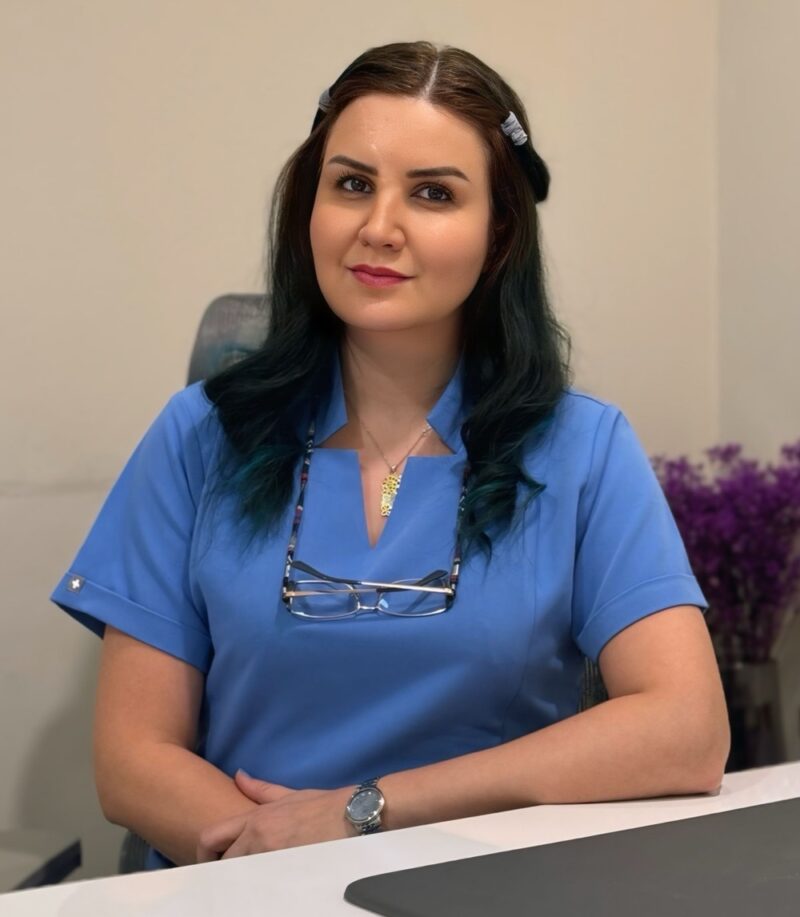
Dr Azra explains the key differences between Radiesse and Sculptra biostimulators
How Each Biostimulator Actually Works
Both Radiesse and Sculptra belong to the same category — biostimulators — but they trigger collagen production through fundamentally different pathways. Understanding the mechanism matters because it determines what you see in the mirror, how quickly you see it, and how long it lasts.
Radiesse consists of smooth CaHA microspheres suspended in a water-based gel carrier. Once injected, the gel carrier immediately provides structure and definition — this is the volume you see on day one. Over the following weeks, the microspheres act as a scaffold around which your body deposits new collagen. The gel carrier gradually absorbs (typically within a few weeks), but the collagen that has formed around the microspheres remains. The CaHA particles themselves are naturally metabolised over 12–18 months, leaving behind the collagen framework they helped create.
This dual-action mechanism — immediate structure plus gradual collagen — makes Radiesse particularly effective in areas where you want both instant definition and long-term improvement, such as the jawline, cheeks, and hands. When diluted (hyperdilute Radiesse), it can also be used across broader areas for skin tightening and overall quality improvement.
Sculptra works through a completely different pathway. PLLA microparticles are injected into the deep dermis or subdermis, where they trigger a controlled inflammatory response. Your body recognises the PLLA as a foreign material and gradually encapsulates each microparticle with new collagen fibres — a process called neocollagenesis. There is no gel carrier providing immediate volume, which means you will not see a visible change on the day of treatment.
The collagen-building process unfolds over 4–12 weeks, and because it is your own collagen being produced rather than an injected material providing the volume, the result tends to look exceptionally natural. The PLLA particles fully dissolve within a few months, but the collagen they stimulated persists for up to 2 years. This makes Sculptra ideal for patients with broad collagen loss across multiple facial zones — particularly those treating Ozempic face or age-related volume deflation across the temples, midface, and lower face.
Results Timeline: What to Expect
One of the most important differences between Radiesse and Sculptra is the timeline of visible results. Setting realistic expectations prevents disappointment and helps you plan around events or commitments. For a broader look at how collagen loss progresses with age, see our dedicated guide.
What the Treatment Experience Is Like
Radiesse: The appointment typically takes 20–40 minutes depending on the areas being treated. Radiesse is injected using a cannula or needle into the deep dermis or subdermis. It comes pre-mixed with lidocaine in the syringe, so most patients find the procedure comfortable after the initial entry point. Because the gel carrier provides immediate volume, you can assess the general shape and structure before you leave. Swelling and possible bruising are normal for the first 2–5 days. No post-treatment massage is required — you can resume normal activities the same day, avoiding strenuous exercise for 24–48 hours.
Sculptra: Sculptra requires reconstitution before use — the PLLA powder is mixed with sterile water (and typically lidocaine) well in advance of your appointment. The injection process itself takes 30–45 minutes and involves multiple small injections across the treatment area. Because Sculptra works through gradual collagen induction, you will not see a meaningful result when you look in the mirror immediately after. The key difference in aftercare is the massage protocol: Sculptra requires the “5-5-5 rule” — massaging the treated area for 5 minutes, 5 times a day, for 5 days after each session. This ensures even distribution of the PLLA particles and reduces the small risk of nodule formation. Swelling may last 3–7 days.
Both treatments are well-tolerated and require minimal downtime. Neither produces the kind of dramatic immediate swelling associated with large-volume HA filler sessions. If you are comparing the overall time commitment, Radiesse is faster per visit and requires fewer sessions, while Sculptra requires more appointments and a disciplined aftercare routine but delivers the longest-lasting result.
What Determines Which One Is Right for You
The decision between Radiesse and Sculptra is not about which product is “better” — it is about which mechanism matches your clinical situation. During a consultation, Dr Azra evaluates several factors that guide this decision:
Degree and pattern of volume loss. Localised structural loss in specific areas (jawline, cheeks, chin) tends to respond well to Radiesse’s targeted, immediate scaffolding effect. Diffuse volume depletion across multiple facial zones — the kind seen in generalised age-related collagen loss, significant weight loss, or Ozempic face — is better addressed by Sculptra’s broad collagen-rebuilding approach across larger surface areas.
Skin thickness and quality. Patients with thicker skin and good underlying tissue support often see excellent structural results with Radiesse. Those with thinner skin may benefit from Sculptra’s more gradual collagen layering, which builds volume from within without the risk of product visibility that can occasionally occur with CaHA in very thin-skinned areas. Both products can be diluted for skin quality improvement — hyperdilute Radiesse and adjusted-concentration Sculptra can both improve overall skin texture and firmness.
Timeline and patience. If you have an event in 2–4 weeks and want visible improvement, Radiesse is the logical choice — you leave the appointment with a result. If you are planning 3–6 months ahead and prefer the most natural, undetectable progression, Sculptra’s gradual build is hard to beat. Nobody notices a Sculptra result “appearing” — people just notice you looking better over time.
Budget vs longevity tradeoff. Radiesse costs more per session (from AED 2,800, standard AED 3,200) but typically requires fewer sessions (1–2). Sculptra costs less per session (from AED 2,200, standard AED 2,500) but requires 2–3 sessions. Total treatment investment can be comparable, but Sculptra’s results may persist up to 2 years versus Radiesse’s 12–18 months — a meaningful difference if long-term value matters to you. See full biostimulator pricing.
Aftercare compliance. Sculptra’s 5-5-5 massage protocol is not optional — it is clinically important for ensuring even distribution and minimising nodule risk. If you are unlikely to follow a disciplined 5-day massage routine after each session, Radiesse may be the more practical option since it requires no post-treatment massage.
When Neither Is the Right Choice
Biostimulators are not the right option for every patient or every concern. Part of knowing when to say no is understanding what these products cannot do — and when a different approach serves you better.
Lips and perioral area: Neither Radiesse nor Sculptra should be injected into the lips. The lip tissue requires the soft, reversible properties of HA lip fillers — biostimulators are too rigid and non-reversible for this delicate area.
Under-eye area: The tear trough and under-eye hollow require specialised products. Under-eye filler using soft HA products is the appropriate approach. Neither Radiesse nor Sculptra is suitable for this area due to the thin skin and risk of nodule formation or visible product.
Patients who want reversibility: If it is important to you that your treatment can be dissolved if you are unhappy, neither biostimulator is appropriate. HA fillers can be reversed with hyaluronidase — biostimulators cannot. This is why choosing an experienced injector is especially important with these products.
Very young patients with minimal volume loss: Patients in their 20s or early 30s with good collagen levels and minimal volume depletion are often better served by skin boosters, Profhilo, or polynucleotides — treatments that optimise existing skin quality rather than rebuilding lost structure. A treatment matched to your age always produces the most natural result.
Combining Biostimulators With Other Treatments
Both Radiesse and Sculptra work best as part of a broader treatment plan rather than in isolation. Because they rebuild structural collagen, they pair naturally with treatments that address other layers of facial ageing.
With Botox: Biostimulators rebuild lost volume and structure; Botox addresses dynamic wrinkles caused by muscle movement. These target completely different aspects of ageing and are frequently combined. The filler vs Botox distinction applies equally here — biostimulators handle structure while Botox handles movement.
With Profhilo or skin boosters: Biostimulators work at the structural level; Profhilo and skin boosters work at the hydration and superficial quality level. A common protocol is Sculptra or Radiesse for deep structural rebuilding combined with Profhilo for overall skin quality — addressing both the scaffolding and the surface. See: Profhilo vs skin boosters vs polynucleotides.
With thread lifting: Threads provide mechanical lifting of sagging tissue; biostimulators provide volume restoration and collagen rebuilding. For patients with both skin laxity and volume loss, combining these approaches addresses both concerns. See: fillers vs threads.
With Dermapen or RF microneedling: Microneedling addresses surface texture, pores, and superficial scarring. Biostimulators work at a deeper structural level. The two complement each other without interference, though they are typically scheduled at least 2–4 weeks apart.
With PRP or exosomes: Regenerative treatments like PRP and exosomes enhance the body’s healing and collagen-producing response. Some protocols combine these with biostimulators to amplify the collagen-building effect — a layered approach that aligns with the broader shift toward regenerative aesthetics.
When to Choose Each Treatment
- You want immediate visible structure + gradual collagen
- You need fewer sessions (1–2 vs 2–3)
- Primary concern is jawline definition or cheek structure
- You want hand rejuvenation
- You want skin tightening with hyperdilute technique
- You have an event within 2–4 weeks
- You prefer minimal aftercare (no massage protocol)
- You want the longest-lasting results (up to 2 years)
- You prefer the most natural, gradual progression
- You have broad collagen loss across multiple areas
- You are treating Ozempic face or significant weight-loss volume loss
- You don’t need immediate visible results
- You are planning 3–6 months ahead
- You want the most undetectable transformation over time
What About AestheFill?
If you are comparing biostimulators, there is a third option worth considering. AestheFill uses PDLLA (poly-D,L-lactic acid) — a modified version of the same lactic acid base as Sculptra — but with a different molecular structure that may offer a smoother, more predictable collagen response.
AestheFill typically requires 1–2 sessions, provides gradual results similar to Sculptra, and starts from AED 2,300 per session (standard AED 2,700). It sits between Radiesse and Sculptra in terms of both mechanism and price point. Like Sculptra, it works through collagen induction rather than providing immediate volume — but the PDLLA formulation may require fewer sessions than PLLA for some patients. Like both Radiesse and Sculptra, AestheFill is non-reversible.
Dr Azra can advise which of the three biostimulators best suits your facial structure, degree of volume loss, and treatment goals during a consultation. For a broader comparison of all biostimulators versus traditional fillers, see Biostimulators vs Dermal Fillers. For detailed pricing across all three options, see biostimulator treatment costs.
Related Treatments & Comparisons
Frequently Asked Questions
Book a Consultation
Find out whether collagen biostimulators suit your skin — assessed in person by Dr Azra Vaziri, DHA & DOH licensed.