
How to Slow Down Skin Aging Naturally
A guide to understanding why your skin ages — and what you can do about it through daily habits and clinical treatments.
Your skin is your body’s largest organ, and like every organ, it ages. Understanding how to slow down skin aging begins with recognising that aging is a natural biological process — it cannot be stopped entirely, but the rate at which it progresses can be meaningfully influenced by both your daily habits and, when appropriate, clinical treatments.
For patients living in Dubai, Abu Dhabi, and across the UAE, skin aging can be accelerated by factors that are part of everyday life: intense UV exposure, frequent air conditioning, humidity shifts, and environmental stress. These factors compound over time and can cause skin to age faster than your chronological age would suggest.
This guide explains the biology behind skin aging, what you can do each day to slow it down, and how clinical treatments can support your skin’s natural repair mechanisms at a deeper level.
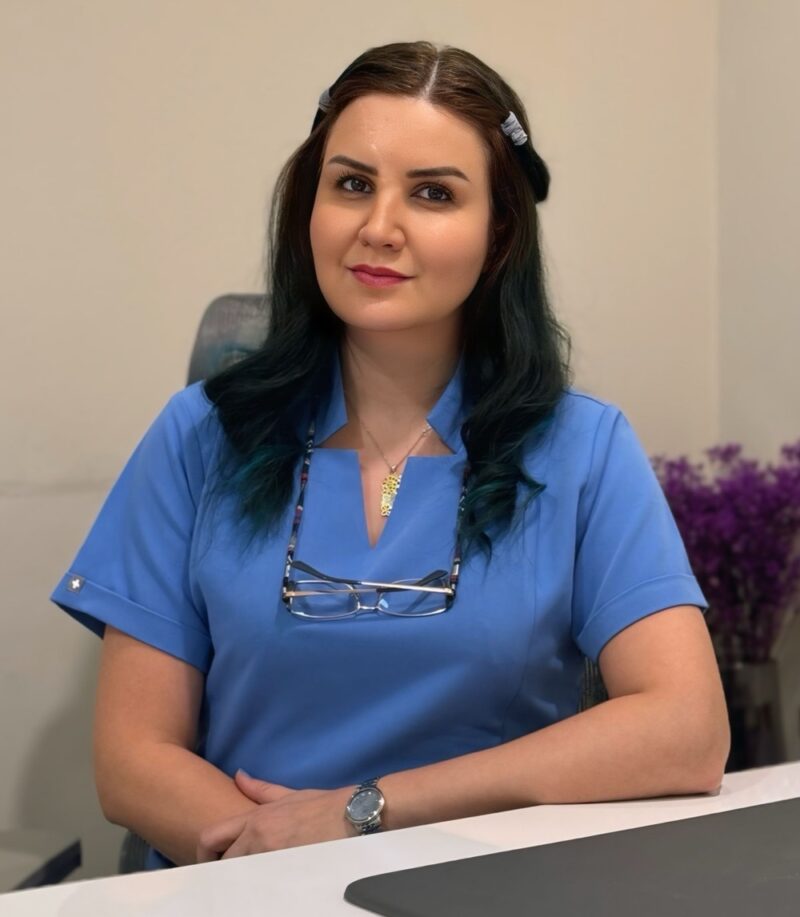
Written & Clinically Reviewed By
Dr. Azra Vaziri is a medical aesthetics practitioner based in Dubai and Abu Dhabi, specialising in regenerative aesthetic treatments that support the skin’s natural repair and renewal processes. She designs personalised protocols to help patients maintain skin quality as they age.
In This Guide
How Aging Affects Skin Quality
Daily Habits That Help Slow Skin Aging
Topical Anti-Aging vs. Clinical Regenerative Treatments
Clinical Treatments That Support Skin Aging Prevention
What to Expect From Anti-Aging Skin Treatments
Building a Long-Term Skin Aging Strategy
When to Start Thinking About Skin Aging Prevention
Who May Benefit From Clinical Anti-Aging Treatments
What Causes Skin to Age?
Skin aging falls into two broad categories. Intrinsic aging is the natural, chronological decline that happens regardless of lifestyle. Over time, your body produces less collagen and elastin, cell turnover slows, and hyaluronic acid levels decrease. Genetics also play a role in how quickly these changes occur.
Extrinsic aging is driven by external factors — and this is where you have the most control. UV damage (photoaging), pollution, oxidative stress, smoking, poor nutrition, sleep deprivation, and chronic stress all accelerate the aging process beyond what your biology alone would produce.
The encouraging fact is that extrinsic factors account for a significant proportion of visible aging. Addressing them can meaningfully slow how quickly your skin shows its age.
How Aging Affects Skin Quality
Collagen decline is one of the most significant changes. After the age of 30, your skin loses approximately 1% of its collagen per year, leading to reduced firmness. Elastin breakdown follows a similar pattern, diminishing your skin’s ability to bounce back.
Slower cell turnover means dead cells accumulate on the surface, creating dullness and rough texture. Reduced hydration from declining hyaluronic acid levels leads to dryness and loss of plumpness. Your skin barrier function may also weaken, making skin more vulnerable to environmental damage.
Finally, changes in pigmentation — uneven tone, dark spots, and areas of hyperpigmentation — often result from accumulated UV exposure over the years.
Daily Habits That Help Slow Skin Aging
The most effective way to slow skin aging naturally is through consistent, evidence-based daily habits. These form the foundation of any skin aging prevention strategy.
Sun protection is the single most impactful step you can take. Broad-spectrum SPF 30 or higher, reapplied throughout the day, can help prevent premature skin aging caused by UV damage. This is particularly important in Dubai’s climate, where UV exposure is high year-round.
Antioxidant skincare — such as vitamin C or niacinamide — can help neutralise free radical damage caused by oxidative stress. A gentle skincare routine that avoids over-exfoliation protects your skin barrier, while retinoids (used with appropriate guidance) can support cell turnover and collagen production.
Hydration matters both internally and topically — adequate water intake combined with hyaluronic acid serums and barrier-supportive moisturisers helps maintain skin plumpness. Sleep and stress management are equally important, as your skin repairs most actively during sleep, and chronic stress accelerates aging.
A nutrient-rich diet high in antioxidants and adequate protein supports collagen production from within. Avoiding smoking and excessive alcohol protects against accelerated collagen breakdown and oxidative damage.
Topical Anti-Aging vs. Clinical Regenerative Treatments
Topical products — retinoids, vitamin C, SPF, and moisturisers — are essential for daily skin maintenance. However, they primarily work at the epidermal (surface) level of the skin.
Clinical regenerative treatments work at the dermal level, where collagen loss and skin aging originate. These treatments are designed to stimulate collagen production, deliver growth factors, and restore deep hydration in ways that topical products cannot reach.
Neither approach replaces the other. The most effective strategy for addressing skin aging combines consistent topical care with periodic clinical treatments tailored to your skin’s needs.
Clinical Regenerative Treatments
Depth: Dermis (deep skin layers)
Duration: Results develop over weeks to months
Mechanism: Collagen stimulation, growth factors, deep hydration
Best for: Structural aging, collagen loss, skin quality decline
Topical Anti-Aging
Depth: Epidermis (skin surface)
Duration: Ongoing daily use required
Mechanism: Cell turnover, antioxidants, barrier support, SPF
Best for: Daily maintenance, prevention, surface quality
Clinical Treatments That Support Skin Aging Prevention
Several non-surgical skin treatments can support your skin’s natural capacity for repair and renewal. Each works through a different mechanism to address aspects of early skin aging at the biological level.
PRP skin therapy uses your own platelet-rich plasma to deliver concentrated growth factors to the skin. These growth factors can stimulate collagen renewal, improve microcirculation, and support cellular repair processes.
Microneedling collagen induction therapy creates controlled micro-injuries that trigger the skin’s wound-healing response. This process can stimulate fresh collagen and elastin production while accelerating skin cell turnover.
Skin booster treatment delivers hyaluronic acid directly into the deeper layers of the skin. This restores dermal hydration that declining natural HA levels can no longer maintain, improving skin quality and luminosity. Profhilo takes this further through bioremodelling — stimulating four types of collagen and elastin alongside deep hydration.
Exosome therapy uses cellular signalling molecules that may accelerate tissue repair and reduce inflammation that contributes to aging. This is an emerging area of regenerative aesthetics with growing clinical interest.
Polynucleotide (PDRN) therapy activates fibroblasts through the adenosine A2A receptor pathway, delivering deep cellular repair, anti-inflammatory action, and barrier rebuilding — particularly effective for skin that is thinning or showing signs of sun damage.
Collagen biostimulator treatments are designed to rebuild structural collagen that naturally declines with age. Results can develop gradually and may last up to two years, making them a longer-term option for addressing collagen loss and skin aging.
| Treatment | How It Addresses Aging | Best For | Results Timeline |
|---|---|---|---|
| PRP Skin Therapy | Stimulates collagen renewal via growth factors | Skin texture, tone, radiance | 4–6 weeks |
| Microneedling CIT | Triggers collagen and elastin through wound-healing response | Fine lines, texture, firmness | 4–8 weeks |
| Skin Boosters | Restores deep dermal hydration | Dehydration, dullness, skin quality | 1–2 weeks |
| Exosome Therapy | Cellular signalling to support repair and reduce inflammation | Overall skin rejuvenation | 2–6 weeks |
| Collagen Biostimulators | Rebuilds structural collagen over time | Volume loss, firmness, structural support | 3–6 months (lasting up to 2 years) |
What to Expect From Anti-Aging Skin Treatments
Before Your Appointment
Every treatment begins with a clinical skin assessment to evaluate your skin’s current condition, identify specific concerns, and determine the most appropriate approach. You will receive preparation instructions tailored to your treatment, and your clinician will set realistic expectations about outcomes and timelines.
During Treatment
Most anti-aging skin treatments take between 30 and 60 minutes. A topical anaesthetic is typically applied beforehand to ensure comfort. Sensations during treatment are generally mild and well-tolerated.
Aftercare and Recovery
Downtime for most treatments is minimal. Sun avoidance is critical during the recovery period, and you will be advised to use a gentle skincare routine. Specific aftercare instructions are provided based on your individual treatment.
Building a Long-Term Skin Aging Strategy
Slowing skin aging is not about a single treatment or product — it is about a sustained, layered approach. The most effective strategy combines daily habits (SPF, antioxidants, hydration, sleep, nutrition), consistent topical actives (retinoids, vitamin C), and periodic collagen stimulation treatments that address aging at the biological level.
Dr Azra Vaziri works with patients to build personalised long-term plans that evolve with their skin’s changing needs. The goal is not to chase youth, but to maintain skin health and quality over time — supporting your skin as it ages rather than working against a natural process.
When to Start Thinking About Skin Aging Prevention
Prevention is generally more effective — and gentler — than correction. Patients in their late twenties or early thirties may benefit from preventative treatments — including preventative Botox and early collagen support — before significant decline begins.
That said, patients in their forties and beyond can still see meaningful improvement. It is never too late to start. There is no single “right age” — it depends on your skin’s current condition and your goals. A consultation helps determine the right starting point for you.
Who May Benefit From Clinical Anti-Aging Treatments
Clinical anti-aging skin treatments in Dubai may be suitable for patients experiencing early signs of skin aging such as fine lines, reduced firmness, or dullness. They may also benefit those with collagen loss and decreased skin density, chronic dehydration affecting skin quality, or uneven texture and tone from accumulated sun damage.
Patients who want a preventative approach — or who live in the UAE and are exposed to accelerated aging factors such as intense UV and environmental stress — may also find clinical treatments helpful as part of a broader strategy.
Who May Not Be a Suitable Candidate
Clinical anti-aging treatments may not be suitable for patients with:
— Active skin infections or inflammation
— Pregnancy or breastfeeding
— Autoimmune conditions (assessed on an individual basis)
— Recent isotretinoin use
— Known allergy to treatment ingredients
Suitability is always confirmed during a clinical consultation.
Frequently Asked Questions
Ready to Build Your Skin Aging Strategy?
A consultation with Dr Azra Vaziri can help you understand your skin’s current condition and create a personalised plan to support healthy aging.