
Best Treatments for Fine Lines and Early Wrinkles
An evidence-based guide to understanding why fine lines appear — and which clinical and at-home approaches can help smooth and prevent them.
Fine lines and early wrinkles are among the first visible signs of skin aging — and for many patients, they are the reason a conversation about skin care becomes a conversation about skin treatment. If you are exploring the best treatments for fine lines and want to understand what actually works, this guide is designed for you.
Living in Dubai or Abu Dhabi means your skin faces year-round UV exposure, frequent air conditioning, and environmental stressors that can accelerate the appearance of fine lines well before they would otherwise develop. The good news is that early lines are highly responsive to treatment — both at home and in the clinic.
This article explains why fine lines form, what distinguishes them from deeper wrinkles, and which evidence-based treatments can help reduce their appearance and slow their progression. For Dr Azra’s clinical approach, see the fine lines treatment page.
Written & Clinically Reviewed By
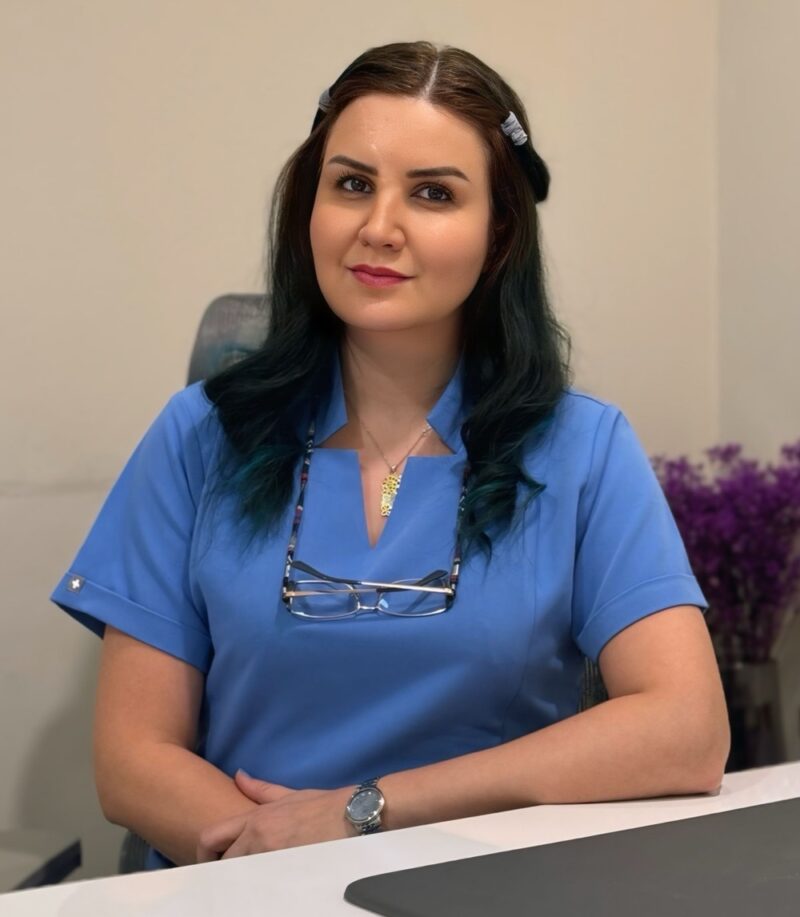
Dr. Azra Vaziri is a medical aesthetics practitioner based in Dubai and Abu Dhabi, specialising in regenerative aesthetic treatments that support the skin’s natural repair and renewal processes. She designs personalised protocols to help patients address fine lines and maintain skin quality as they age.
In This Guide
What Causes Fine Lines and Early Wrinkles?
Fine Lines vs. Deep Wrinkles — What Is the Difference?
At-Home Approaches That Help Reduce Fine Lines
Clinical Treatments for Fine Lines and Early Wrinkles
Topical Care vs. Clinical Treatments — How They Work Together
What to Expect From Fine Line Treatments
Building a Treatment Plan for Fine Lines
When to Seek Treatment for Fine Lines
Who May Benefit From Fine Line Treatments
What Causes Fine Lines and Early Wrinkles?
Fine lines develop when the skin’s structural support begins to weaken. From your late twenties onward, collagen production gradually declines — roughly 1% per year — while elastin fibres lose their resilience. This means the skin becomes less able to spring back from repeated facial expressions, environmental exposure, and everyday mechanical stress.
UV damage is the single largest external contributor. Chronic sun exposure accelerates collagen breakdown and generates oxidative stress that damages skin cells at a structural level. Dehydration, pollution, smoking, poor sleep, and a nutrient-poor diet can all compound the effect.
In the UAE’s climate, where UV intensity is high year-round and indoor air conditioning depletes skin moisture, many patients notice fine lines appearing earlier than expected. Understanding these causes is the first step toward choosing the right treatment. Related: what causes early skin aging.
Fine Lines vs. Deep Wrinkles — What Is the Difference?
Fine lines are shallow, surface-level creases — often most visible around the eyes, forehead, and mouth. They are typically caused by early collagen loss, dehydration, and repetitive facial movement. At this stage, the skin’s deeper structure is largely intact.
Deep wrinkles, by contrast, involve more significant structural change: advanced collagen and elastin loss, volume depletion, and in some cases, changes in the underlying fat and bone. They are visible even when the face is at rest.
At-Home Approaches That Help Reduce Fine Lines
A consistent daily routine forms the foundation of any fine line treatment strategy. Broad-spectrum SPF 30 or higher, reapplied throughout the day, is the most effective single step you can take to prevent fine lines from worsening — particularly in Dubai’s high-UV environment.
Retinoids are one of the most well-studied topical actives for fine lines. They support skin cell turnover, stimulate collagen production, and can visibly smooth skin texture over weeks to months of consistent use. Vitamin C serums and niacinamide offer antioxidant protection against oxidative stress and can help even out skin tone.
Hydration — both topical (hyaluronic acid serums, barrier-supportive moisturisers) and internal (adequate water intake) — helps plump fine lines and maintain skin barrier function. Adequate sleep, nutrition, and stress management round out the picture, supporting your skin’s natural repair processes from within.
Clinical Treatments for Fine Lines and Early Wrinkles
Several non-surgical skin treatments can help reduce the appearance of fine lines by working at the dermal level — stimulating collagen, restoring hydration, and supporting the skin’s own renewal processes.
Botox (botulinum toxin) is the most effective treatment for dynamic fine lines — lines that form from repeated facial movement, such as forehead lines, frown lines, and crow’s feet. By relaxing the underlying muscle, Botox prevents the repetitive folding of skin that causes these lines to deepen. Preventative Botox in the late 20s or early 30s can slow the formation of new lines.
Microneedling and RF microneedling create controlled micro-injuries that trigger the skin’s wound-healing response. This can stimulate fresh collagen and elastin production while accelerating cell turnover — directly addressing the structural causes of fine lines.
Skin booster injections and Profhilo bioremodelling deliver hyaluronic acid directly into the deeper layers of the skin. By restoring dermal hydration that naturally declines with age, these treatments can improve skin quality, luminosity, and the appearance of fine lines caused by dehydration and early collagen loss.
PRP skin therapy uses your own platelet-rich plasma to deliver concentrated growth factors to the skin. These growth factors can support collagen renewal, improve microcirculation, and promote cellular repair — helping to soften fine lines and improve overall skin texture.
Polynucleotide (PDRN) therapy uses purified DNA fragments to activate fibroblasts, stimulate collagen, and repair cellular damage — directly targeting the structural causes of fine lines.
Exosome therapy is an emerging area of regenerative aesthetics. Exosomes are cellular signalling molecules that may accelerate tissue repair and reduce the low-grade inflammation that contributes to premature fine line formation.
Collagen biostimulator treatments are designed to gradually rebuild the structural collagen that underpins skin firmness. Results develop over several months and may last up to two years, making them a longer-term option for patients whose fine lines are linked to collagen loss.
| Treatment | How It Addresses Fine Lines | Best For | Results Timeline |
|---|---|---|---|
| Botox | Relaxes muscles to prevent repetitive skin folding | Dynamic lines, forehead, crow’s feet | 3–7 days |
| Microneedling / RF Microneedling | Stimulates new collagen and elastin via wound-healing response | Fine lines, texture, firmness | 4–8 weeks |
| Skin Boosters / Profhilo | Restores deep dermal hydration and stimulates collagen | Dehydration lines, dullness, skin quality | 1–4 weeks |
| PRP Skin Therapy | Growth factors support collagen renewal and cellular repair | Texture, tone, radiance | 4–6 weeks |
| Polynucleotides (PDRN) | Activates fibroblasts, repairs cellular damage, stimulates collagen | Deep skin repair, barrier restoration | 3–6 weeks |
| Exosome Therapy | Cellular signalling to support repair and reduce inflammation | Overall skin rejuvenation, prevention | 2–6 weeks |
| Collagen Biostimulators | Rebuilds structural collagen over time | Firmness, structural support, collagen loss | 3–6 months (lasting up to 2 years) |
Topical Care vs. Clinical Treatments — How They Work Together
Topical products and clinical treatments address fine lines at different depths of the skin. Understanding the distinction helps you build a more complete strategy.
Clinical Treatments
Depth: Dermis (deep skin layers)
Mechanism: Collagen stimulation, growth factors, deep hydration
Duration: Results develop over weeks to months
Best for: Structural fine lines, collagen loss, firmness
Topical Care
Depth: Epidermis (skin surface)
Mechanism: Cell turnover, antioxidants, barrier support, SPF
Duration: Ongoing daily use required
Best for: Daily prevention, surface smoothing, hydration
Neither replaces the other. Topical retinoids and SPF protect and maintain the skin daily, while clinical treatments such as microneedling or skin boosters can address the deeper structural changes that topical products alone cannot reach.
What to Expect From Fine Line Treatments
Before Your Appointment
Your clinician will assess your skin’s condition, discuss your concerns, and recommend the most appropriate treatment or combination of treatments. You will receive specific preparation instructions and a realistic overview of what to expect.
During Treatment
Most fine line treatments take between 30 and 60 minutes. A topical anaesthetic is typically applied to ensure comfort. Sensations are generally mild — most patients describe them as tolerable.
Aftercare and Recovery
Downtime is minimal for most treatments. Sun avoidance is important during the recovery phase, and a gentle skincare routine is recommended. Your clinician will provide specific aftercare guidance based on the treatment you receive.
Building a Treatment Plan for Fine Lines
Addressing fine lines effectively is rarely about a single appointment. The most successful outcomes come from a layered, sustained approach: daily SPF and topical actives for ongoing protection, combined with periodic clinical treatments that support your skin’s deeper repair mechanisms. See also: collagen stimulation treatments explained.
Dr Azra Vaziri helps patients design personalised treatment plans that evolve with their skin’s needs. The goal is not to erase every line, but to maintain healthy skin quality — supporting your skin rather than working against a natural process.
When to Seek Treatment for Fine Lines
Fine lines are easier to treat when they are still superficial. Many patients begin treatment in their late twenties or early thirties — when collagen decline is underway but before lines become deeply established wrinkles.
However, it is never too late. Patients at any stage can benefit from a considered treatment plan. The right time depends on your skin’s current condition and your personal goals. A consultation can help you determine where to start.
Who May Benefit From Fine Line Treatments
Clinical fine line treatments may be suitable for patients noticing early creases around the eyes, forehead, or mouth; those experiencing reduced skin firmness or elasticity; patients with dehydration-related lines or dull, uneven texture; and anyone seeking a preventative approach to skin aging in Dubai’s demanding climate.
Who May Not Be a Suitable Candidate
Clinical fine line treatments may not be appropriate for patients with:
— Active skin infections or inflammation
— Pregnancy or breastfeeding
— Autoimmune conditions (assessed individually)
— Recent isotretinoin use
— Known allergy to treatment ingredients
Suitability is always confirmed during a clinical consultation.
Frequently Asked Questions
Ready to Address Your Fine Lines?
A consultation with Dr Azra Vaziri can help you understand your skin’s current condition and build a personalised plan to smooth fine lines and support healthy skin quality.