
How to Improve Skin Texture Naturally
A guide to the daily habits, nutrition strategies, and lifestyle changes that support smoother, healthier skin — and when clinical treatments can complement your routine.
You do not always need a clinical procedure to make a real difference to how your skin looks and feels. Learning how to improve skin texture naturally begins with understanding that your skin’s surface quality is a direct reflection of what is happening beneath it — and that many of the factors influencing texture are within your daily control.
For patients in Dubai and Abu Dhabi, natural texture improvement is especially relevant. The UAE’s climate — intense UV year-round, air conditioning that depletes moisture, and environmental pollution — creates ongoing stress on the skin that daily habits can either counteract or compound.
This guide focuses on the evidence-based natural approaches that support smoother skin: skincare habits, nutrition, hydration, sleep, and lifestyle. It also explains when clinical treatments can complement those efforts for patients whose texture concerns go deeper than what daily care can address alone.
Written & Clinically Reviewed By
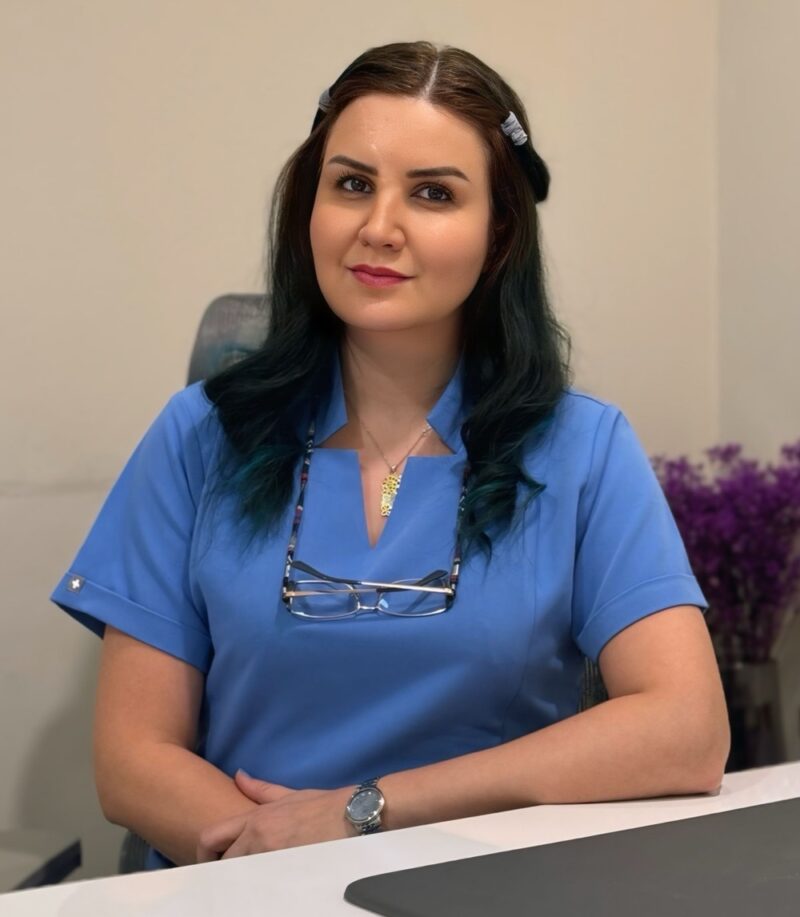
Dr. Azra Vaziri is a medical aesthetics practitioner based in Dubai and Abu Dhabi, specialising in regenerative aesthetic treatments that support the skin’s natural repair and renewal processes. She encourages patients to build strong daily foundations before — and alongside — any clinical intervention.
In This Guide
What “Improving Skin Texture Naturally” Actually Means
Skincare Habits That Improve Texture
Nutrition and Skin Texture — What the Evidence Shows
Hydration, Sleep, and Stress — The Overlooked Factors
Habits That Make Skin Texture Worse
When Natural Approaches Are Not Enough
Clinical Treatments That Complement Natural Care
Building Your Daily Texture-Improvement Routine
Who May Benefit From a Clinical Assessment
What “Improving Skin Texture Naturally” Actually Means
Improving skin texture naturally means supporting the biological processes your skin already uses to maintain itself: cell turnover, collagen production, barrier repair, and hydration regulation. It is not about finding a single product or shortcut — it is about creating the conditions in which your skin can function at its best.
Your skin renews itself roughly every 28 days in younger skin, slowing as you age. When this cycle is well-supported through daily habits, nutrition, and lifestyle, your skin’s surface stays smoother, more even, and more resilient. When it is disrupted — by UV exposure, poor nutrition, dehydration, or stress — texture deteriorates.
Skincare Habits That Improve Texture
Sun protection comes first. Broad-spectrum SPF 30 or higher, reapplied throughout the day, prevents the UV-driven changes that coarsen and thicken the skin’s surface over time. In Dubai’s climate, this is a year-round necessity — not a seasonal consideration.
Gentle exfoliation with chemical exfoliants (AHAs such as glycolic or lactic acid) removes the dead cell layer that causes dullness and roughness, encouraging fresh cells to reach the surface. Start two to three times per week and adjust based on your skin’s tolerance.
Retinoids remain one of the most evidence-backed ingredients for improving skin texture naturally. They accelerate cell turnover, support collagen production, and refine the skin’s surface over consistent use. Begin with lower strengths and increase gradually.
Barrier-supportive hydration — a hyaluronic acid serum applied to damp skin, followed by a moisturiser containing ceramides or squalane — maintains the moisture levels that keep your surface smooth. A healthy skin barrier function is the foundation of good texture.
Nutrition and Skin Texture — What the Evidence Shows
What you eat directly affects your skin’s ability to repair and renew itself. While no single food will transform your texture overnight, a consistently nutrient-rich diet provides the building blocks your skin needs to maintain a smooth, healthy surface.
Antioxidant-rich foods — berries, leafy greens, tomatoes, citrus — help neutralise the free radicals generated by UV and pollution (oxidative stress). Vitamin C from dietary sources supports collagen synthesis, while omega-3 fatty acids (found in oily fish, walnuts, and flaxseed) support the skin barrier and help manage inflammation.
Adequate protein provides the amino acids needed for collagen production. Zinc (from seafood, seeds, and legumes) supports cell turnover and wound healing. On the other side, excess sugar and highly processed foods can contribute to glycation — a process that stiffens collagen fibres and may accelerate textural decline.
Hydration, Sleep, and Stress — The Overlooked Factors
These three factors are often underestimated, but they directly influence how your skin looks and feels at the surface level.
Hydration affects skin texture from the inside out. Adequate water intake supports overall skin health, though topical hydration (hyaluronic acid, ceramides) is usually more immediately effective at improving surface smoothness. In Dubai’s air-conditioned environments, where transepidermal water loss is accelerated, combining both is particularly important.
Sleep is when your skin performs its most active repair and renewal work. Growth hormone release during deep sleep supports collagen synthesis and cell turnover. Consistently poor sleep can leave skin duller, rougher, and less resilient over time.
Chronic stress elevates cortisol levels, which can impair barrier function, slow wound healing, and increase inflammation — all of which contribute to uneven texture. Stress management is not a luxury in a skin texture strategy; it is a practical component.
Habits That Make Skin Texture Worse
Improving texture is as much about removing harmful habits as it is about adding helpful ones. Over-exfoliation strips the barrier and can paradoxically make skin rougher and more reactive. Skipping sunscreen allows UV-driven damage to accumulate unchecked. Smoking constricts blood vessels, reduces oxygen delivery, and accelerates elastin breakdown.
Harsh cleansers that leave skin feeling tight or stripped compromise barrier function, leading to increased dryness and roughness. Excessive alcohol consumption dehydrates the skin and disrupts sleep quality — both of which affect surface texture. And neglecting sleep consistently limits your skin’s capacity to repair itself overnight.
When Natural Approaches Are Not Enough
Daily habits, nutrition, and lifestyle form the essential foundation of any texture improvement strategy. But when texture concerns are driven by deeper structural changes — significant collagen decline, dermal dehydration, or impaired cellular repair — natural approaches alone may not produce the results you are looking for. For a detailed breakdown of the underlying causes, see what causes uneven skin texture.
This is not a failure of your routine. It is simply a recognition that some causes of uneven texture originate below the epidermis, where topical products and lifestyle changes cannot directly reach. In these cases, clinical treatments can complement your natural care — working at the dermal level to address the root causes.
Clinical Treatments That Complement Natural Care
The following non-surgical treatments are designed to support the same processes your natural routine targets — but at a deeper level.
Microneedling collagen induction therapy stimulates the skin’s wound-healing response, triggering new collagen and elastin production while accelerating cell turnover. RF microneedling adds radiofrequency energy to this process, producing deeper tightening and texture improvement for more significant concerns. Skin booster injections restore deep dermal hydration that declining hyaluronic acid levels can no longer maintain.
PRP skin therapy delivers your own growth factors to support collagen renewal and cellular repair. Exosome therapy uses cellular signalling molecules that may accelerate repair and reduce the inflammation contributing to persistent texture concerns. Collagen biostimulator treatments gradually rebuild structural collagen, with results that may last up to two years.
Clinical Treatments
Depth: Dermis (deep skin layers)
Mechanism: Collagen stimulation, growth factors, deep hydration
Role: Addresses structural causes daily care cannot reach
Best for: Persistent texture issues, collagen loss, deep dehydration
Natural Daily Care
Depth: Epidermis + systemic support
Mechanism: Exfoliation, nutrition, hydration, barrier repair, SPF
Role: Foundation that maintains and protects results
Best for: Ongoing prevention, daily maintenance, mild concerns
Building Your Daily Texture-Improvement Routine
A practical daily routine for improving skin texture naturally does not need to be complex. The essentials: a gentle cleanser morning and evening, SPF every morning (reapplied throughout the day), a retinoid in the evening (building tolerance gradually), a hydrating serum, and a barrier-supportive moisturiser. Add a chemical exfoliant two to three times weekly as tolerated.
Support this externally by eating a nutrient-rich diet, staying hydrated, prioritising sleep, and managing stress. Dr Azra Vaziri helps patients build personalised routines that integrate these natural foundations with clinical care where appropriate — designed around their lifestyle, skin type, and specific texture concerns including enlarged pores.
Who May Benefit From a Clinical Assessment
A clinical assessment may be helpful for patients whose texture has not improved despite a consistent natural routine; those noticing roughness, dullness, or unevenness linked to deeper structural changes; patients living in the UAE who are regularly exposed to environmental stressors; and anyone looking to understand whether their texture concerns could benefit from clinical support alongside daily care. See our dedicated skin texture improvement treatment page for available options.
Who May Not Be a Suitable Candidate for Treatment
Clinical treatments may not be appropriate for patients with:
— Active skin infections or inflammation
— Pregnancy or breastfeeding
— Autoimmune conditions (assessed individually)
— Recent isotretinoin use
— Known allergy to treatment ingredients
Suitability is always confirmed during a consultation.
Frequently Asked Questions
Need Help Building Your Skin Texture Strategy?
A consultation with Dr Azra Vaziri can help you understand your skin’s current condition and build a personalised plan — combining natural daily care with clinical support where appropriate.