
Treatments › Skin Treatments › Hyperpigmentation
Hyperpigmentation Treatment in Dubai
Melasma, sun spots and post-inflammatory pigmentation each need a different approach. Dr Azra Vaziri identifies your pigmentation type first, then treats with Dermapen, chemical peels, mesotherapy, and targeted skincare — chosen for your skin type and tone.
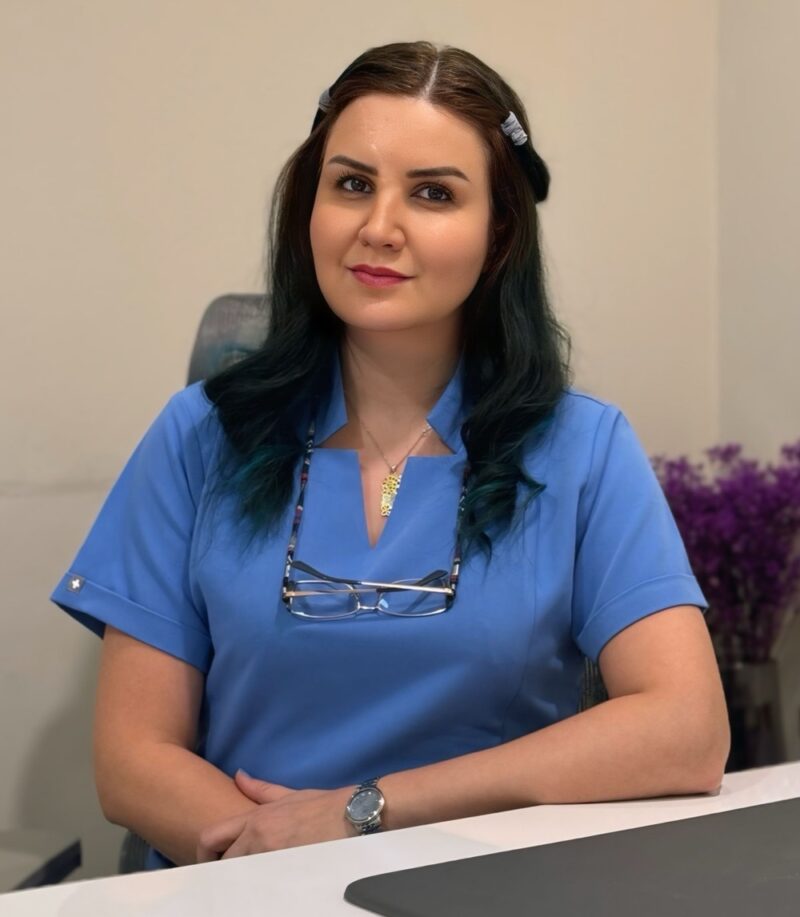
Hyperpigmentation treatment depends on the type: melasma responds to gentle peels and tranexamic acid, sun spots improve with Dermapen microneedling, and post-inflammatory pigmentation from acne needs a combination approach. Treatment typically involves 4–8 sessions spaced 2–4 weeks apart. Daily SPF 50 is essential throughout.
Types of Hyperpigmentation
Melasma
Hormonal pigmentation — symmetrical brown patches on cheeks, forehead or upper lip. Triggered by sun, pregnancy, hormones or heat. Chronic — can be managed but tends to recur. Needs gentle, consistent treatment.
Sun Spots
Also called solar lentigines or age spots. Flat brown spots from cumulative UV exposure. Common on face, hands and decolletage. Responds well to Dermapen and targeted peels. Patients noticing broader early aging signs often benefit from combined treatment.
Post-Inflammatory (PIH)
Dark marks left after acne, injury or inflammation. More common in darker skin tones. Can fade naturally over months but clinical treatment accelerates the process significantly. See also: acne scar treatment.
Treatment Options for Pigmentation
Dermapen microneedling with targeted serums (vitamin C, tranexamic acid, niacinamide) is one of the most effective and safe treatments for pigmentation across all skin types. Unlike laser, it carries lower risk of post-inflammatory hyperpigmentation in darker skin tones. For deeper skin renewal, PRP therapy can be combined with microneedling to enhance collagen stimulation and accelerate healing.
Chemical peels (lactic acid, mandelic acid, modified Jessner) exfoliate pigmented cells from the surface. Dr Azra selects peel type and strength based on your skin type and pigmentation depth. See also: microneedling vs chemical peels.
Skin boosters and polynucleotides support pigmentation treatment by rebuilding the dermal hydration and skin quality that underpin an even complexion. For patients with chronic dullness alongside pigmentation, exosome therapy and Profhilo bio-remodelling can restore overall radiance while pigmentation is treated. Learn more about how regenerative treatments work.
Skincare is critical. Vitamin C, niacinamide, arbutin, tranexamic acid and retinoids are evidence-based ingredients for fading pigmentation. Daily SPF 50 is non-negotiable — without it, clinical treatment results will be reversed by sun exposure.
Related Skin Concerns
Pigmentation often overlaps with other skin conditions. Many patients achieve the best results by addressing multiple concerns together:
Skin Dehydration
Early Skin Aging
Fine Lines
Uneven Texture
Collagen Loss
Dark Circles
Loss of Glow
Acne Scarring
Browse all treatments under All Treatments, Skin Treatments, and Regenerative Aesthetics.
Pigmentation Treatment Before and After
Dark spots, visibly faded. A course of targeted pigmentation boosters breaks up excess melanin and evens the skin tone — without harsh peeling or downtime.
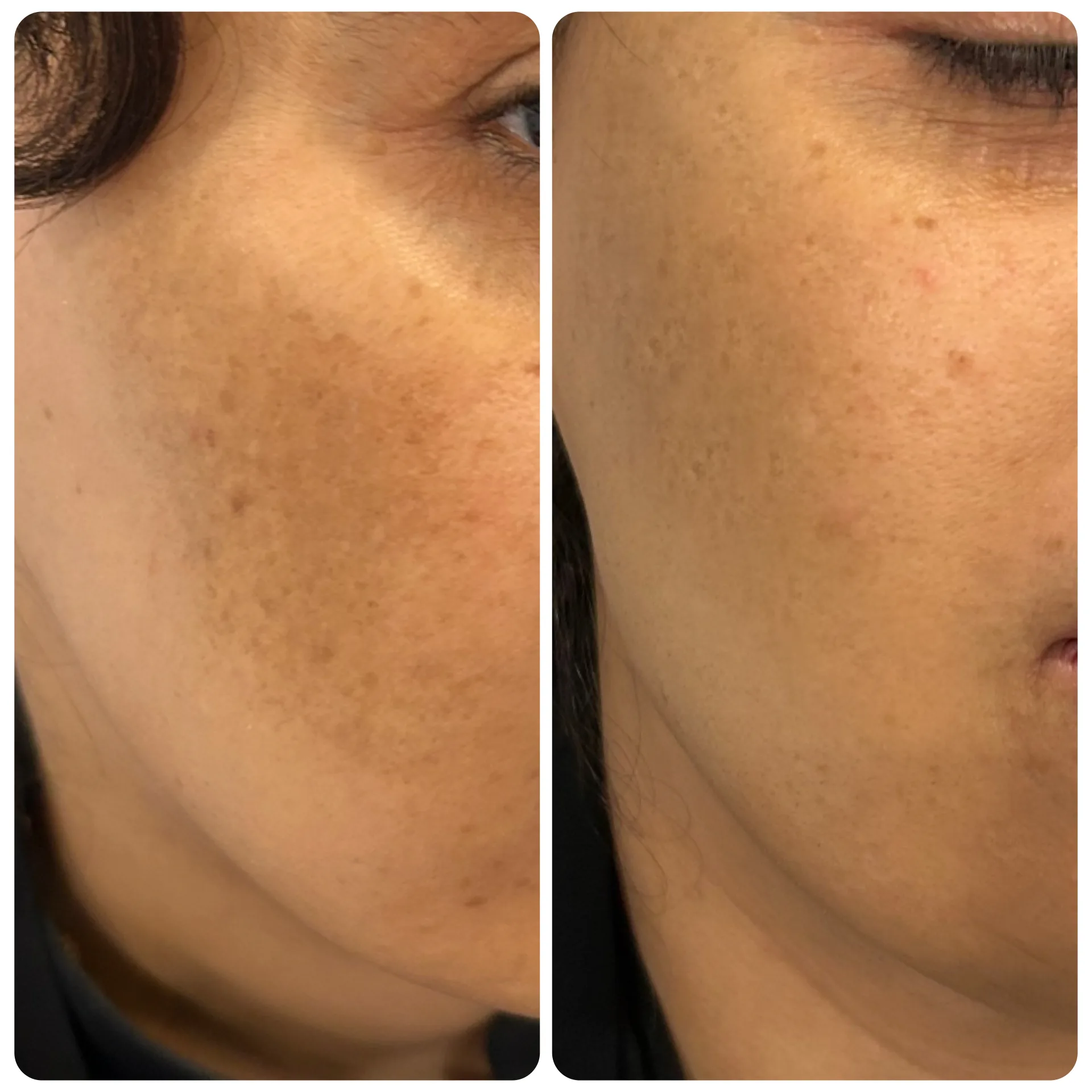
Pigmentation booster — treated by Dr. Azra Vaziri, Dubai.
* Photographs published with the patient’s written consent, in line with UAE medical advertising regulations. Individual results vary — book a consultation to see cases similar to yours.
Frequently Asked Questions
Treatment at a Glance
| Detail | What to Know |
|---|---|
| Treatment time | 30–45 minutes |
| Downtime | Little to none (peels/facials); brief redness (needling) |
| Results visible | Surface spots in weeks; deeper pigment over months |
| Course | Series of sessions plus home care |
| Essential | Daily broad-spectrum SPF |
| Maintenance | Periodic, to keep tone even |
Treatments by Pigment Type
| Treatment | Best for | Onset | Notes |
|---|---|---|---|
| Chemical peel | Sunspots, dullness, surface PIH | Days–weeks | Strength matched to skin type |
| Mesotherapy / brightening | Overall tone & melanin control | Weeks | Antioxidant & pigment-regulating |
| Microneedling | PIH & uneven texture | Weeks | Boosts absorption of actives |
| Home care + SPF | Prevention & maintenance | Ongoing | Does much of the long-term work |
Results Timeline
| When | What happens |
|---|---|
| Days 1–3 | Mild flaking or redness after peels/needling; surface renewal begins |
| Weeks 2–4 | Surface sunspots and post-acne marks start to fade |
| Months 2–3 | Tone looks clearer and more even with continued sessions |
| Deeper pigment | Treated gradually over a longer period to avoid irritation |
| Ongoing | Home care and SPF maintain the result and prevent new spots |
Combining Treatments for Even Tone
Pigmentation responds best to a combined approach matched to its type. Dr Azra often pairs chemical peels to lift surface pigment with mesotherapy or brightening protocols to reduce melanin production, and microneedling to improve texture and help actives penetrate. A consistent home routine plus daily SPF underpins everything. Where post-acne marks are the cause, controlling active breakouts at the same time prevents new pigmentation from forming.
Safety & Side Effects
The main consideration is choosing the right strength for your skin tone. In medium-to-deeper skin, overly aggressive treatment can cause more pigmentation rather than less, so Dr Azra selects gentler, appropriate protocols. Temporary redness and light flaking are normal after peels and needling. Daily sun protection is essential — without it, results fade and new pigment forms, especially under Dubai’s intense year-round sun.
Before Your Treatment
Aftercare
Why Patients Choose Dr Azra
Because pigmentation has several causes that each need a different strategy, the most important step is an accurate diagnosis — and that is where doctor-led care matters. Dr Azra Vaziri identifies exactly which type of pigmentation you have before recommending treatment, avoiding the common mistake of treating everything the same way. With over 20 years of experience and particular care for medium-to-deeper skin tones, she selects peel strengths and protocols that fade pigment without triggering more, and builds in the home care and sun protection that prevent recurrence. As a DHA and DOH-licensed physician, she balances visible results with the long-term health of your skin.
Visiting Dr Azra’s Clinic in Dubai
Sun-driven pigmentation is one of the most common skin concerns in Dubai’s high-UV climate. Dr Azra Vaziri treats patients from across Dubai — Downtown, Business Bay, Jumeirah, Dubai Marina and JBR — at her clinic on Sheikh Zayed Road (Exit 41), beginning every plan by diagnosing your specific type of pigmentation. Book a consultation by phone or WhatsApp.
Book a Consultation
Get a personalised treatment plan for your skin concern from Dr Azra Vaziri — DHA & DOH licensed, 20+ years of experience.