
Comparison Guide · Profhilo · Polynucleotides

Profhilo vs Polynucleotides — Glow vs Deep Repair

Profhilo uses high-concentration hyaluronic acid to hydrate the skin and trigger bioremodelling — stimulating collagen and elastin for overall glow and mild tightening. Polynucleotides are purified DNA fragments that activate fibroblasts through the adenosine A2A receptor pathway, delivering deep cellular repair, barrier rebuilding, and anti-inflammatory benefits. They work through completely different biological mechanisms.

In simple terms: Profhilo = hydration + glow + mild tightening (2 sessions). Polynucleotides = deep repair + barrier rebuilding + anti-inflammation (3–4 sessions). If your skin is healthy but dull, choose Profhilo. If it is damaged or thinning, polynucleotides go deeper. Many patients benefit from combining both.

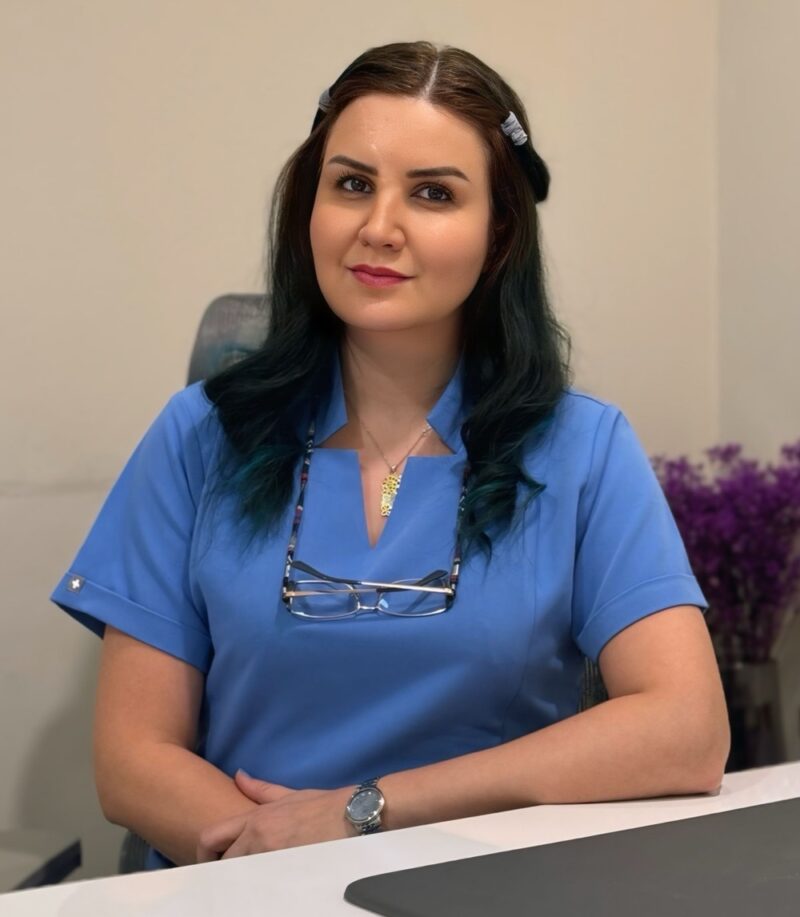
This guide explains the science, differences, and when Dr Azra Vaziri recommends each one. For the full three-way comparison including skin boosters, see Profhilo vs Skin Boosters vs Polynucleotides.


Side-by-Side Comparison

FeatureProfhiloPolynucleotides (Rejuran)
Active ingredientHyaluronic acid (high + low molecular weight, 64 mg)DNA fragments from salmon (PDRN)
How it worksHA bioremodelling — hydration + collagen + elastin stimulation via BAP techniqueCellular repair — fibroblast activation via A2A receptors, tissue regeneration, anti-inflammatory
Collagen stimulationYes — stimulates 4 types of collagen + elastinYes — strong direct fibroblast activation
Anti-inflammatoryNo specific anti-inflammatory actionYes — reduces chronic skin micro-inflammation
Barrier repairModerateStrong — a key differentiator
Best forOverall glow, skin laxity, first-time patients wanting radiance and tighteningDeep regeneration, damaged skin, dark circles, acne scarring, cellular repair beyond hydration
Sessions required2 sessions, 4 weeks apart3–4 sessions, 3–4 weeks apart
How fast you see results1–2 weeks (the distinctive “Profhilo glow”)2–4 weeks (deeper, structural glow develops gradually)
Results last6–9 months6–12 months
Treatment areasFace, neckFace, under-eye, neck, décolletage, hands
Can they be combined?Yes — they are complementary. Profhilo provides the hydration and bioremodelling foundation; polynucleotides add the cellular repair layer. Dr Azra often sequences them: Profhilo first for glow, then polynucleotides for deep regeneration.


When to Choose Each Treatment

Choose Profhilo When
  • Your skin has lost its glow and feels lax or tired
  • You want visible radiance with mild tightening
  • Primary concern is dehydration and laxity
  • You are a first-time skin quality patient wanting fast results
  • You prefer fewer sessions (2 vs 3–4)
  • You want to treat face and neck

Learn more about Profhilo →

Choose Polynucleotides When
  • Your skin is damaged, thin, reactive, or barrier-compromised
  • You want deep cellular repair beyond hydration
  • Treating dark circles or crepey under-eye skin
  • Sun-damaged or inflammation-prone skin
  • Need treatment for neck, décolletage, or hands
  • Already had Profhilo and want to go deeper

Learn more about polynucleotides →


Can Profhilo and Polynucleotides Be Combined?

Yes — and in many cases, combining them produces the best results. Since they work through completely different pathways (HA bioremodelling vs DNA-based cellular repair), they are complementary rather than redundant.

Dr Azra commonly sequences them: Profhilo first to establish the hydration and bioremodelling foundation (2 sessions), followed by polynucleotides to add the cellular repair and regeneration layer (3–4 sessions). This “hydrate then regenerate” approach addresses both surface-level skin quality and deep tissue health.

For the most comprehensive regenerative skin treatment, Dr Azra may also layer polynucleotides with exosomes, PRP, or microneedling depending on goals. See: Profhilo vs Skin Boosters vs Polynucleotides.


Related Treatments & Comparisons

Comparison

Profhilo vs Boosters vs PN

Three-way comparison.

Comparison

Profhilo vs Skin Boosters

Bioremodelling vs hydration.

Comparison

Skin Boosters vs Polynucleotides

Hydration vs repair.

Guide

What Are Polynucleotides?

Complete science guide.

Guide

What Is PDRN?

PDRN therapy explained.


Educational Guides

Treatment

Polynucleotide Treatment

Rejuran skin regeneration.

Treatment

Profhilo

HA bioremodelling.

Treatment

Salmon DNA / PDRN

DNA-based therapy.

Treatment

Exosome Therapy

Cellular signalling.

Guide

How Regenerative Treatments Work

Science explained.


Frequently Asked Questions

Profhilo is made from hyaluronic acid and works through hydration and bioremodelling — stimulating collagen and elastin for glow and mild tightening. Polynucleotides are DNA fragments that work through cellular repair — activating fibroblasts via the A2A receptor pathway, reducing inflammation, and regenerating tissue. They use completely different biological pathways, which is why they are often combined.

Polynucleotides typically last 6–12 months, while Profhilo lasts 6–9 months. However, polynucleotides require 3–4 sessions compared to Profhilo’s 2 sessions, so the total treatment commitment is higher upfront. Profhilo produces faster visible results (1–2 weeks vs 2–4 weeks).

Neither is universally better — they address different needs. Polynucleotides are better for damaged, thin, or reactive skin that needs deep structural repair and barrier rebuilding. Profhilo is better for overall radiance and mild tightening in skin that is generally healthy but has lost its glow. Many clinicians consider them complementary rather than competing.

Yes — they are commonly combined in layered protocols. Dr Azra often sequences them: Profhilo first for hydration and bioremodelling, then polynucleotides for cellular repair. This “hydrate then regenerate” approach delivers the most comprehensive results. They are staggered across separate sessions rather than performed on the same day.

Polynucleotides. The under-eye area has very thin skin that benefits from the tissue-thickening and regenerative properties of PDRN. Rejuran I is specifically formulated for the delicate periorbital area. Profhilo is not typically used in the periorbital area.

Both can treat the neck, but polynucleotides also treat décolletage and hands — areas where Profhilo is less commonly used. For sun-damaged, thin skin on these areas, polynucleotides often have the edge due to their tissue repair mechanism.

Both have excellent safety profiles. Profhilo uses hyaluronic acid which is naturally present in the body. Polynucleotides use purified salmon DNA fragments that are biocompatible. Side effects for both are mild and temporary (redness, small bumps). Patients with fish allergies should note that polynucleotides are salmon-derived.

If you are new to skin quality treatments, Profhilo is often the recommended starting point — fewer sessions, immediate hydration benefit, and well-established. See Profhilo pricing for session costs. If you’ve already had Profhilo or want deeper regeneration from the start, polynucleotides are the next step. A consultation with Dr Azra will determine the best approach for your skin.

Skin boosters are the simplest option — pure HA hydration with minimal collagen stimulation. Profhilo goes further with bioremodelling. Polynucleotides go the furthest with DNA-based cellular repair. See our focused comparisons: Profhilo vs Skin Boosters and Skin Boosters vs Polynucleotides. For the full picture: Profhilo vs Skin Boosters vs Polynucleotides.


Book A Consultation With Dr Azra

Patients seeking personalized aesthetic assessment in Dubai or Abu Dhabi can contact Dr Azra for consultation regarding PRP, exosome therapy, and regenerative skin treatment planning.

Dr Azra Vaziri is a DHA and DOH licensed aesthetic physician practicing in Dubai and Abu Dhabi, with over 20 years of experience in aesthetic medicine, injectables, thread lifting, and non-surgical facial rejuvenation.