
I’m Scared of Botox — Here’s What Actually Happens
Being nervous about Botox is completely normal — especially the first time. Most of the fear comes from what you’ve seen online: frozen foreheads, drooping eyelids, faces that don’t move. But those results come from bad technique, not from Botox itself. Here’s what the procedure actually involves, what it feels like, and what realistic results look like when it’s done well.
Why People Are Afraid
The fears are real, even if most of them are based on worst-case results that don’t represent what Botox looks like when it’s done properly. Here are the most common ones:
“I’ll look frozen.” This is the #1 fear — and the most preventable. The frozen look happens when too much Botox is used or when it’s placed too broadly. With the right dose in the right spots, your face still moves naturally. Lines soften, but expressions stay. This is exactly what baby Botox and conservative dosing are designed for.
“It’s a toxin.” Technically yes — botulinum toxin. But the amounts used in cosmetic Botox are tiny. It’s been used in medicine since the 1970s and in cosmetics for over 25 years. When injected by a qualified doctor, the safety record is very strong. See our Botox myths vs facts page for a full breakdown.
“What if it goes wrong?” Botox is temporary. Even if you don’t like the result, it fades completely within 3–4 months. Unlike filler, there’s nothing to dissolve or remove — your muscles simply return to how they were before. This is one of the safest entry points into aesthetic treatment.
“Needles.” Fair. But the needles used for Botox are some of the smallest in medicine — much thinner than a blood test needle. Most patients describe it as a quick pinch that’s over in seconds. The whole procedure takes 10–15 minutes.
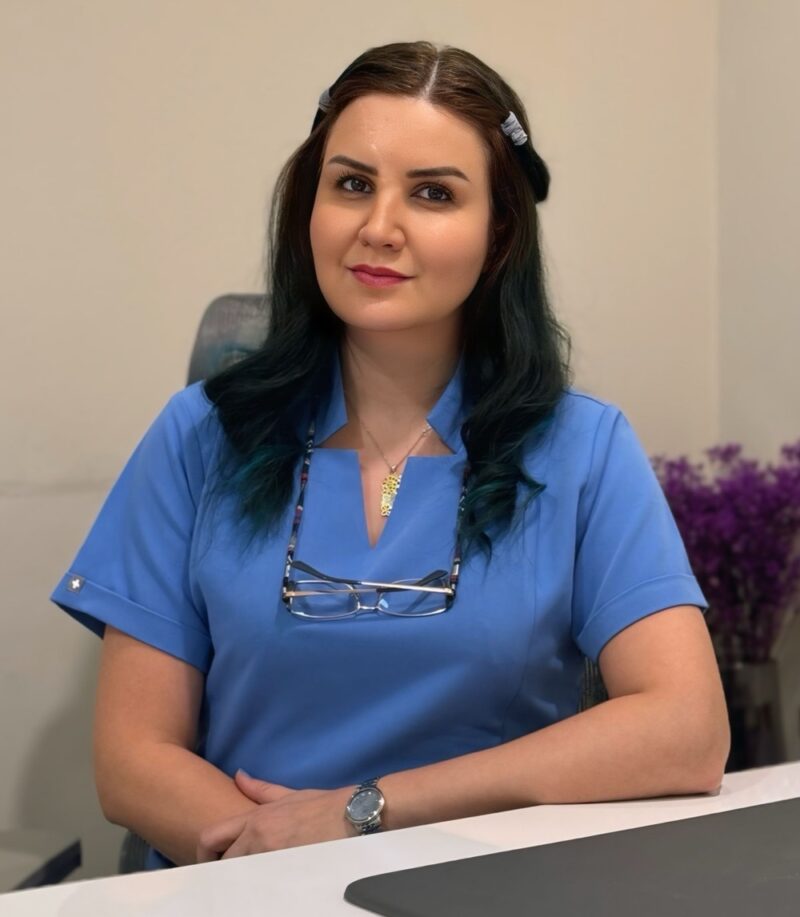
Worried about something that is not on this list? Ask Dr Azra before you decide.
What Actually Happens During the Procedure
Talk
Your doctor asks what bothers you, looks at your face at rest and when you move, and explains what Botox can and can’t do for your specific concerns.
Mark
Small dots are marked on the skin where the injections will go. This is planned based on your muscle strength and how your face moves — not a fixed template.
Inject
A few small injections with a very fine needle. Most patients feel a quick pinch per injection point. The whole process takes 10–15 minutes. No downtime.
Wait
Results start showing in 3–5 days and reach full effect at about 2 weeks. A follow-up can fine-tune the result if needed. See the aftercare guide.
What Realistic Results Look Like
Good Botox doesn’t look like anything. People notice you look refreshed, well-rested, or slightly younger — but they can’t tell why. Your forehead is smoother but still moves when you raise your brows. Your frown lines are softer but you can still frown. Your face looks like your face, just less tired.
What good Botox does not look like: a shiny, frozen forehead. Heavy, dropped brows. A face that can’t express surprise. Those results come from too much product, poor placement, or a one-size-fits-all approach. They’re avoidable.
For information on how dosing affects results, see how many units of Botox you actually need.
First-Timer Advice
Start with one area. Most first-timers begin with the frown lines between the brows — it’s the most noticeable area and gives you a clear sense of what Botox does without committing to a full-face treatment. You can always add more areas later.
Ask for a conservative dose. A good doctor will start low on your first session. You can top up at a follow-up if needed. Starting high risks the frozen look that first-timers fear most.
Tell your doctor you’re nervous. This isn’t unusual. An experienced injector will talk you through every step, go slowly, and let you see what’s happening. Your comfort matters as much as the result.
Choose an experienced doctor, not just a good deal. Your first experience sets the tone for how you feel about treatment long-term. A skilled doctor with years of experience will give you a natural first result that builds your confidence, not your regret. See also: what to expect at your first Botox appointment.
Frequently Asked Questions
Book a Consultation
Discuss Botox and anti-wrinkle treatment with Dr Azra Vaziri — DHA & DOH licensed, 20+ years of experience.