Your First Botox Appointment in Dubai — What to Expect Step by Step
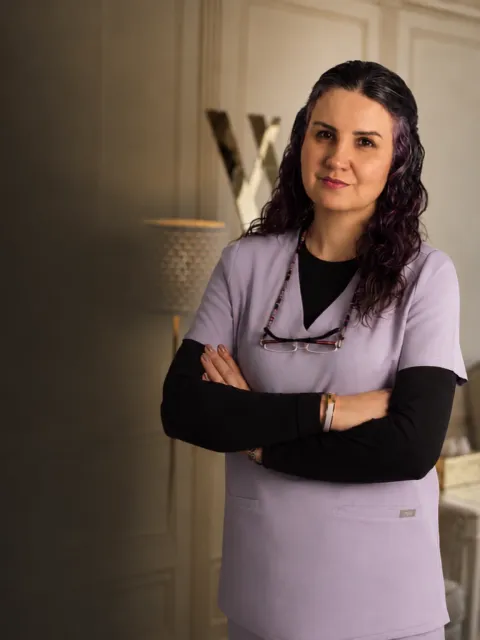
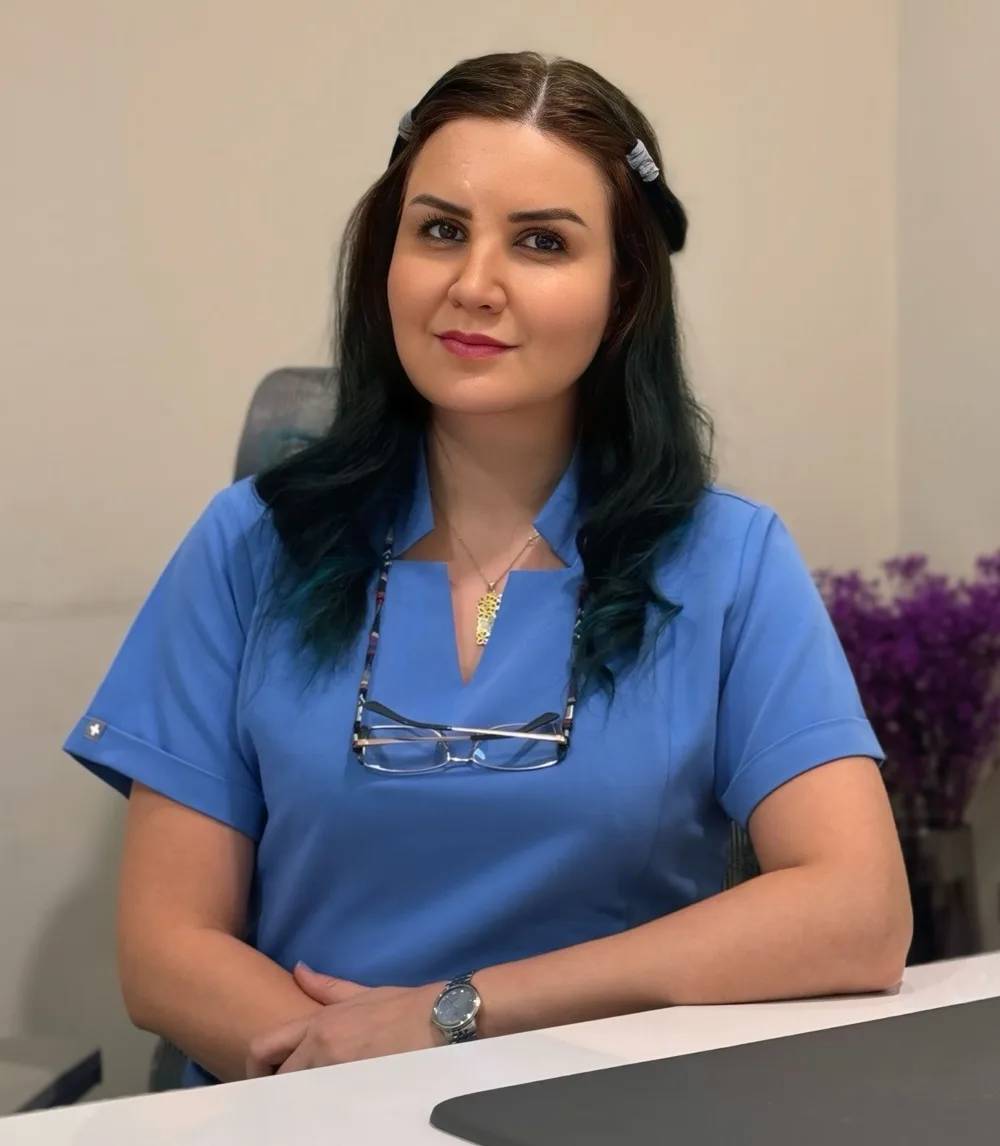
First time considering Botox? This guide walks you through every stage — from what happens during the consultation to how the injections feel, what the first 24 hours look like, and when you will see results. Written by Dr Azra Vaziri, a DHA-licensed aesthetic physician with 20+ years of injectable experience across Dubai and Abu Dhabi.
Why a First Botox Appointment Is Different from Every Appointment After
Your first Botox appointment takes longer than every session that follows — and it should. A responsible physician spends more time on consultation, facial assessment, and setting realistic expectations with a first-time patient than on the actual injections. If a clinic tries to rush you through your first visit in under 15 minutes, that is a warning sign, not a sign of efficiency.
The anxiety most first-time patients feel is entirely normal. You are allowing someone to inject a neurotoxin into your face — understanding exactly what will happen, how it works, and what to expect removes most of that uncertainty. This guide covers every stage of the process so you can walk in informed and leave feeling confident about your decision.
Whether you are researching preventative Botox in your late 20s or treating established wrinkles, the first appointment follows the same clinical process — only the treatment plan differs.
Before Your Appointment — How to Prepare
Preparing for your first Botox appointment is straightforward, but a few simple steps can meaningfully improve your results and reduce the chance of bruising.
3–7 Days Before
Stop taking blood-thinning supplements including fish oil, vitamin E, ginkgo biloba, and high-dose garlic.
Read moreShow less
If you take prescription blood thinners such as aspirin or warfarin, speak with your prescribing doctor first — never stop a prescribed medication without medical guidance. Avoid ibuprofen (Advil) and naproxen (Aleve) as these increase bruising risk.
24–48 Hours Before
Avoid alcohol — it dilates blood vessels and increases bruising. Drink plenty of water; hydrated skin responds better to treatment.
Read moreShow less
Reduce caffeine intake on the day before as it can increase sensitivity. Skip any facial treatments like chemical peels, microdermabrasion, or Dermapen sessions in the week before your appointment.
Day Of
Arrive with a clean face — no makeup, sunscreen, or heavy skincare products on the treatment area.
Read moreShow less
Your doctor will cleanse the area before injecting, but starting clean helps. Eat a light meal beforehand so you are comfortable and not lightheaded during the procedure. Bring a list of any medications and supplements you take, as well as your medical history including any previous cosmetic treatments.
During the Consultation — What Your Doctor Should Assess
The consultation is the most important part of your first visit. A skilled aesthetic physician will spend 15–20 minutes on assessment before any needle is prepared. Here is what a proper first-time Botox consultation includes:
Medical History Review
Your doctor will ask about neurological conditions, autoimmune disorders, allergies, current medications, pregnancy or breastfeeding status, and any previous cosmetic treatments.
Read moreShow less
Certain conditions — including myasthenia gravis and some autoimmune diseases — are contraindications for Botox. This is not a formality; it is a safety requirement.
Facial Analysis
Your doctor will examine your facial anatomy at rest and during expression.
DetailsShow less
They will ask you to raise your eyebrows, frown, squint, and smile — observing which muscles create the wrinkles you are concerned about. This is where experience makes the difference: a doctor trained in techniques like Allergan MD Codes assesses your entire facial balance, not just individual wrinkle lines. They will note any facial asymmetry, skin thickness, brow position, and muscle strength — all of which affect how many units you need and where they should be placed.
Treatment Plan Discussion
Before any injection, your doctor should explain exactly which areas they recommend treating, how many units they plan to use, which product they will inject (genuine Botox, Dysport, or Xeomin), and what the total cost will be.
Read moreShow less
They should also discuss what Botox can and cannot achieve — for example, Botox treats dynamic wrinkles caused by muscle movement, but it does not address volume loss or static wrinkles at rest. For those concerns, dermal fillers or Profhilo may be more appropriate, and your doctor should tell you this honestly. Read more about the difference between Botox and fillers.
Expectation Setting
A good doctor will be direct about realistic outcomes.
Read moreShow less
First-time patients often expect immediate results — but Botox takes 3–5 days to begin working and 10–14 days to reach full effect. Your doctor should explain this timeline clearly, discuss how long results typically last (3–4 months for most patients), and whether they recommend a conservative “less is more” approach for your first treatment. Many experienced physicians prefer to under-treat slightly on the first visit and offer a complimentary top-up at 2 weeks if needed, rather than risk over-treatment.
During the Procedure — What Botox Injections Actually Feel Like
This is the part most first-time patients are anxious about — and it is almost always easier than they expect. Here is exactly what happens:
Preparation (2–3 Minutes)
Your doctor will cleanse the treatment area with an antiseptic solution. Some practitioners apply a topical numbing cream, though most patients find it unnecessary for Botox
Read moreShow less
— the needles used are extremely fine (30–32 gauge), much thinner than a standard blood draw needle. Your doctor may mark the injection points on your skin with a removable pencil to ensure precise placement.
Injections (5–15 Minutes)
The sensation is often described as a tiny pinch or a mild sting — similar to a mosquito bite that lasts less than a second per injection.
Read moreShow less
Most treatment areas require 4–6 injection points. A standard three-area treatment (forehead, frown lines, and crow’s feet) involves approximately 12–18 small injections and takes under 15 minutes. Some patients feel a slight pressure or a cold sensation as the product is deposited. Your doctor may ask you to frown or raise your eyebrows during injection to precisely target the active muscles. Learn more about how many units of Botox are typically needed for each area.
Immediately After (5 Minutes)
Your doctor may apply light pressure with gauze to any injection points that bleed — this is minimal and stops within seconds.
Read moreShow less
You will see small red dots or slight swelling at the injection sites, which typically resolve within 30–60 minutes. There is no bandaging, no stitches, and no recovery room. Most patients leave the clinic within 5 minutes of the last injection.
The First 24 Hours — Aftercare That Matters
What you do in the first 24 hours after Botox directly affects your results. These guidelines apply to every patient, but they are especially important for first-timers who may not know the boundaries yet. For a comprehensive guide, read our Botox aftercare guide.
Do Not
Do not touch, rub, or massage the treated area for at least 4 hours — this can cause the product to migrate to unintended muscles.
Read moreShow less
Stay upright for 4 hours after treatment; do not lie face-down or bend forward repeatedly. Avoid intense exercise, sauna, steam rooms, and hot yoga for 24 hours — heat and increased blood flow can affect how the product settles. Skip alcohol for 24 hours. Do not schedule facials, chemical peels, or RF microneedling for at least two weeks after treatment.
What Is Normal
Small red dots at injection sites that fade within an hour. Mild tenderness or a slight headache — this is common and resolves within a day.
Read moreShow less
Minor swelling that is usually only noticeable to you. Occasionally, a small bruise may appear at one or two injection points — this is cosmetic only and fades within 5–7 days.
When to Contact Your Doctor
Significant swelling, pain that worsens rather than improves, difficulty swallowing or breathing (extremely rare), or drooping of the eyelid or brow that was not present before treatment.
DetailsShow less
Any reputable clinic will provide you with a direct contact number for post-treatment concerns — if they do not, consider that a red flag. Dr Azra provides direct WhatsApp access (+971 50 180 1793) to all patients for post-treatment support.
Results Timeline — When You Will See a Difference
One of the most common first-timer frustrations is leaving the clinic and seeing no change. That is completely normal — Botox is not instant. Here is the realistic timeline:
Day 1–2: No Visible Change
You will look the same as before treatment.
Read moreShow less
The tiny injection marks fade within hours. This is normal — the product has not yet started working on the muscle.
Day 3–5: First Signs
You may notice it becomes harder to frown or raise your eyebrows fully.
Read moreShow less
The muscles start to relax, and the deepest expression lines begin to soften. This is the earliest point at which most patients notice a difference.
Day 7–14: Full Effect
The treated muscles are now fully relaxed.
Read moreShow less
Wrinkles that appeared during expression are significantly reduced or gone. Your skin looks smoother and more rested. This is when your doctor will assess the result and decide if a touch-up is needed.
Month 3–4: Gradual Return
Muscle movement gradually returns as the Botox metabolises.
Read moreShow less
Most patients schedule their next appointment at the 3–4 month mark to maintain results. With consistent treatments, many patients find they need fewer units over time as the muscles become trained to relax.
How Much Does First-Time Botox Cost in Dubai?
The cost of your first Botox treatment in Dubai depends on the number of areas treated and the units required. As a general guide:
A single area (such as frown lines only) typically requires 15–25 units. Two areas (frown lines plus forehead lines) require 25–40 units. A full upper face treatment (forehead, frown, and crow’s feet) typically uses 40–64 units. Per-unit pricing at reputable clinics in Dubai ranges from AED 30–50 depending on the product used.
Be cautious of clinics advertising Botox at AED 10–15 per unit — at that price point, the product may be diluted, a non-Allergan brand being marketed as “Botox,” or sourced through unofficial channels. For detailed pricing, see our Botox price guide for Dubai.
Your first appointment may cost slightly more than subsequent visits because the consultation is more thorough. However, many clinics — including Dr Azra’s practice — include the consultation in the treatment cost for patients who proceed with treatment on the same visit.
Common First-Time Botox Concerns — Addressed Honestly
“Will I look frozen?” — Not if your doctor uses appropriate doses and precise placement. The “frozen” look comes from over-treatment, not from Botox itself. An experienced physician aims for natural movement with softened lines — you should still be able to express emotion. If you are concerned, ask your doctor about baby Botox, which uses lower doses for a subtler effect. Read more about Botox myths vs facts.
“Is it addictive?” — Botox is not physically addictive. There is no chemical dependency. What patients experience is satisfaction with their results and a preference to maintain them — the same way you might prefer to keep colouring your hair once you start. You can stop at any time, and your face will gradually return to its pre-treatment state.
“What if I don’t like the result?” — Unlike dermal fillers, Botox cannot be reversed immediately. However, it is temporary — the effect will naturally wear off in 3–4 months. This is actually one of the advantages of Botox as a first cosmetic treatment: if you decide it is not for you, you simply wait and your face returns to exactly how it was before.
“Am I too young/old for Botox?” — There is no single “right age” for Botox. Patients in their late 20s and early 30s may benefit from preventative Botox to slow wrinkle formation. Patients in their 50s and 60s can achieve significant improvement in dynamic lines, often combined with treatments like skin boosters or biostimulators for comprehensive rejuvenation.
Why First-Time Patients Choose Dr Azra Vaziri
Dr Azra Vaziri has performed thousands of Botox treatments over 20+ years of aesthetic practice. Here is what first-time patients consistently mention about their experience:
Thorough First-Time Consultation
Dr Azra does not rush first appointments.
Read moreShow less
She takes time to understand your concerns, explain what Botox can realistically achieve for your specific anatomy, and answer every question before preparing any injection.
Conservative First-Treatment Approach
For first-time patients, Dr Azra typically recommends starting with fewer units to ensure you are comfortable with the result before going further
Read moreShow less
— with a complimentary review at 2 weeks to fine-tune if needed.
Allergan MD Codes Distinction
Holds the highest level of Allergan injectable certification
Read moreShow less
— ensuring every treatment is guided by advanced facial anatomy assessment, not a one-size-fits-all template.
Direct Post-Treatment Access
All patients receive Dr Azra’s direct WhatsApp contact for any questions or concerns after treatment
Read moreShow less
— no calling a receptionist, no waiting for callbacks.
.
Frequently Asked Questions
Does Botox hurt the first time?
How long does a first Botox appointment take?
Can I go back to work after Botox?
What if Botox does not work the first time?
How do I choose a Botox doctor for my first treatment?
Is Botox safe during pregnancy or breastfeeding?
What is the difference between Botox, Dysport, and Xeomin?
Can I combine Botox with fillers at my first appointment?
Where to go next
Read next: the treatment page, Botox in Dubai and all options in this area, Face Treatments in Dubai.
Book a Consultation
Dr Azra Vaziri — DHA & DOH licensed aesthetic physician with 20+ years of experience in Dubai & Abu Dhabi.