
Skin Concerns · Collagen Loss · Dubai & Abu Dhabi
Collagen Loss Treatment in Dubai
From your mid-twenties, you lose approximately 1–1.5% of your skin’s collagen every year. In Dubai’s climate — intense UV, air conditioning, pollution — that decline accelerates. The result: thinning skin, reduced firmness, deeper lines, and visible laxity. Dr Azra Vaziri uses biostimulators, exosome therapy, and Dermapen microneedling to rebuild collagen from within.
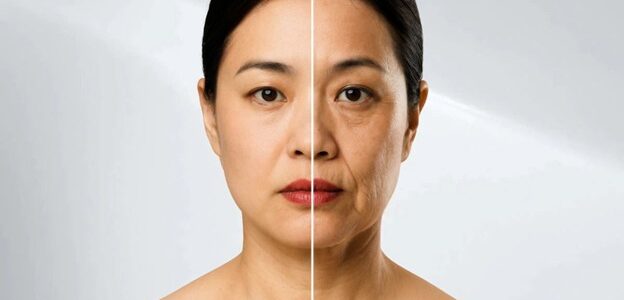
What Is Collagen Loss
Collagen is the most abundant structural protein in the skin — it provides firmness, density, and the scaffolding that keeps skin looking smooth and youthful. From your mid-twenties onwards, collagen production naturally declines at a rate of 1–1.5% per year. By your forties, you may have lost 20–30% of your skin’s collagen.
In Dubai, this natural decline is accelerated by environmental factors: chronic UV exposure that breaks down existing collagen fibres (photoageing), constant cycling between extreme outdoor heat and indoor air conditioning that disrupts skin barrier function, environmental pollution generating free radicals, and the stress-driven lifestyles common in a fast-paced city.
The good news: while collagen loss cannot be fully reversed, regenerative treatments can significantly stimulate new collagen production, slow further decline, and restore visible firmness. This is central to Dr Azra Vaziri’s approach to regenerative aesthetics. For a deeper understanding, see how collagen production decreases with age and how to restore collagen in skin.
Signs of Collagen Loss
If you’re noticing any of the following, collagen loss may be a contributing factor:
Structure & Firmness
- Loss of skin firmness and elasticity
- Skin feels thinner, less “bouncy”
- Increased skin laxity along jawline and cheeks
- Facial volume loss and hollowing — sometimes linked to Ozempic-related volume loss
Lines & Texture
- Deepening fine lines and wrinkles
- Rough, uneven texture
- Enlarged pores
- Neck lines and crepiness
- Acne scarring that worsens as collagen thins
Overall Skin Quality
- Dull, tired-looking skin
- Dehydration and loss of glow
- Skin that bruises or marks more easily
- Signs of premature ageing
- Visible ageing on hands and décolletage
What Causes Collagen Loss
- Natural ageing: Collagen production declines ~1–1.5% per year from mid-twenties. By menopause, the rate accelerates significantly.
- UV exposure: Dubai’s intense sunlight is the single largest external driver of collagen breakdown. UV radiation generates free radicals that directly degrade collagen fibres (photoageing).
- Air conditioning: Constant cycling between 45°C outdoor heat and 20°C indoor AC disrupts the skin’s moisture barrier and accelerates dehydration.
- Pollution: Environmental pollutants generate oxidative stress that damages collagen and elastin structures.
- Hormonal changes: Declining oestrogen levels — particularly during perimenopause and menopause — significantly reduce the skin’s collagen synthesis capacity.
- Lifestyle: Stress, poor nutrition, smoking, alcohol, inadequate sleep, and high sugar intake all contribute to accelerated collagen degradation.
For a detailed exploration, see what causes early skin ageing and how to slow skin ageing.
Treatment Options for Collagen Loss
Dr Azra uses a multi-layered regenerative approach — combining treatments that work at different depths and through different biological mechanisms for comprehensive collagen rebuilding. Learn about the benefits of regenerative skin treatments and how they work.
Biostimulators (Sculptra & Radiesse)
The most potent collagen-building treatments. Sculptra (PLLA) and Radiesse (CaHA) create a scaffold in the dermis that triggers your fibroblasts to produce new collagen over 3–6 months. Results last 12–24 months. Ideal for patients with moderate to significant collagen loss who want structural, long-lasting improvement.
Radiesse vs Sculptra comparison → · Biostimulators vs Fillers → · Pricing →
Exosome Therapy
Cell-derived signalling vesicles that instruct fibroblasts to produce collagen, reduce inflammation, and accelerate healing at the cellular level. Particularly valuable for enhancing results of other treatments and post-procedure recovery. Often combined with Dermapen microneedling. See how approaches compare: Dermapen vs. Exosome Therapy | PRP vs. Exosome Treatment.
Dermapen Microneedling
Controlled micro-injuries trigger the wound-healing cascade, stimulating fresh collagen and elastin. Effective alone or combined with exosomes/PRP. See before & after results and microneedling vs. chemical peels.
PRP Skin Therapy
Concentrated growth factors from your own blood stimulate collagen synthesis. Zero allergy risk. Pairs well with microneedling. Compare: Skin Boosters vs. PRP | Stem Cell Facial vs. PRP vs. Exosomes.
RF Microneedling
Radiofrequency energy delivered via microneedles for deeper collagen remodelling and skin tightening. Ideal for laxity and a non-surgical facelift alternative. Compare: Morpheus8 vs. HIFU.
Dr Azra’s Layered Approach to Collagen Rebuilding
Rather than relying on a single treatment, Dr Azra designs personalised protocols that combine treatments working at different depths and through different biological mechanisms. A typical collagen-rebuilding plan might include:
- Foundation layer: Sculptra or Radiesse for deep dermal collagen scaffolding
- Cellular layer: Exosome therapy to instruct fibroblasts and accelerate repair
- Surface layer: Dermapen microneedling with PRP for collagen induction and texture renewal
- Regenerative support: Polynucleotide therapy or Salmon DNA treatment for deep tissue repair and bio-regeneration
- Maintenance: Skin boosters and Profhilo for ongoing hydration and bio-remodelling
This multi-layered strategy produces more comprehensive and longer-lasting results than any single treatment alone. The exact combination, sequencing, and number of sessions depends on your age, skin condition, and goals — determined during consultation. See our detailed guide on the best regenerative skin treatments in Dubai and explore non-surgical facelift options for more advanced laxity concerns.
Results Timeline
- Week 1–2: Initial glow and improved hydration from Dermapen/PRP/exosome sessions
- Week 2–4: Texture improvements visible; skin feels smoother and firmer to touch
- Month 1–3: Collagen remodelling from biostimulators begins. Gradual structural improvement developing
- Month 3–6: Optimal biostimulator results. Visible firmness restoration, reduced laxity, improved density
- Month 6–24: Results from biostimulators sustained. Maintenance sessions recommended to continue building
Collagen rebuilding is a biological process — it requires patience. The gradual nature of improvement means results look natural and develop over time rather than appearing overnight.
Related Skin Concerns
Educational Guides
Restoring Lost Facial Volume: A Real Case
Facial atrophy, treated. As collagen and fat diminish, the face loses its support. Here, regenerative treatment has restored volume and structure — the result of addressing collagen loss itself, not just its symptoms.
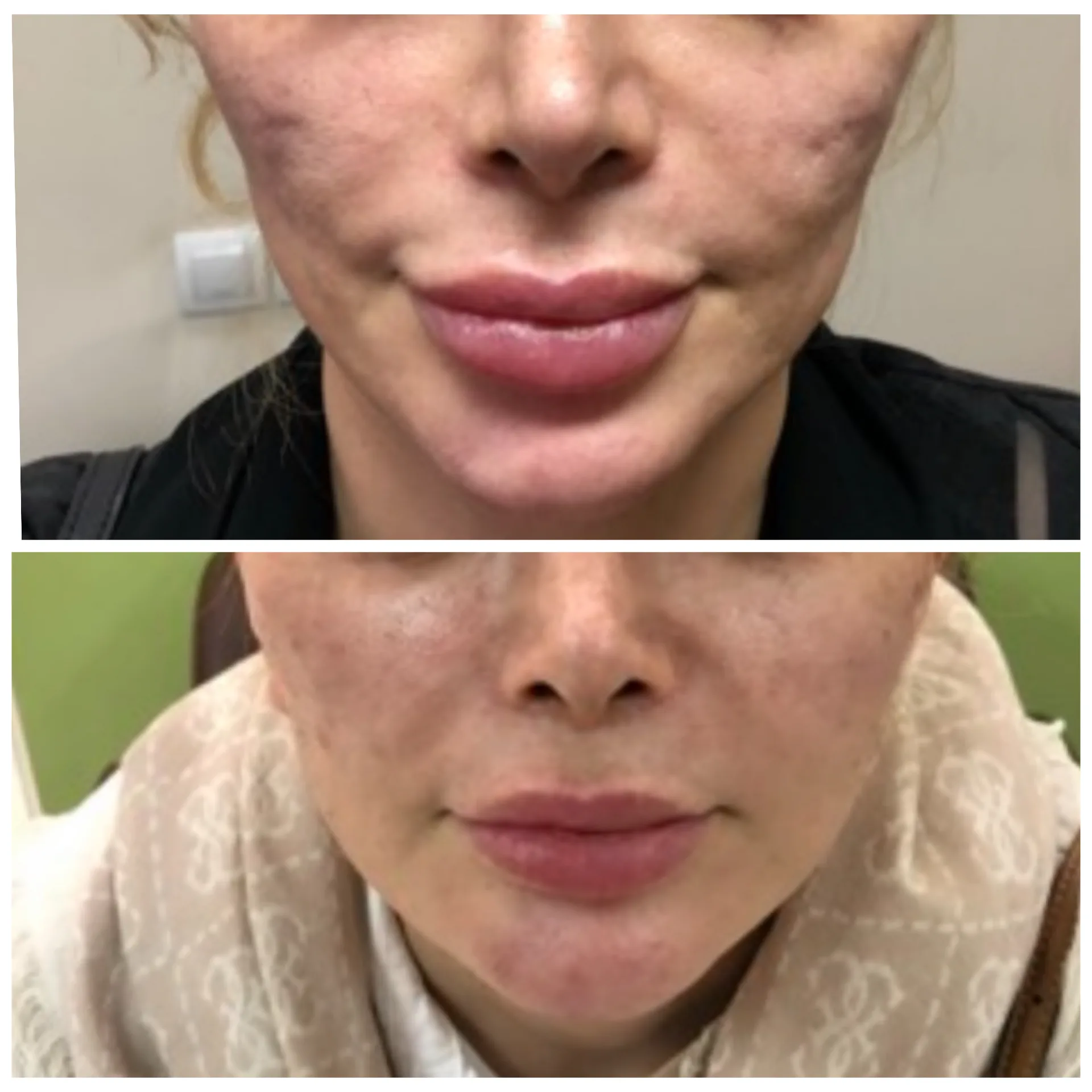
Facial volume restoration — treated by Dr. Azra Vaziri, Dubai.
* Photographs published with the patient’s written consent, in line with UAE medical advertising regulations. Individual results vary — book a consultation to see cases similar to yours.
Frequently Asked Questions
Book A Consultation With Dr Azra
Concerned about collagen loss? A consultation with Dr Azra helps identify the right combination of regenerative treatments for your skin’s specific needs and goals.
Dr Azra Vaziri is a DHA and DOH licensed aesthetic physician practicing in Dubai and Abu Dhabi, with over 20 years of experience in aesthetic medicine, injectables, thread lifting, and non-surgical facial rejuvenation.